Living with someone in recovery from addiction is a complex and deeply personal experience. First City Recovery Center is an addiction treatment center located in Kokomo, Indiana, 35 miles north of Indianapolis. It can be filled with hope, healing, uncertainty, and emotional growth—all at the same time. While recovery offers the promise of positive change, it also requires patience, understanding, and consistent support from loved ones.
At First City Recovery Center in Indiana, we understand how challenging this journey can be for families and partners. Our addiction treatment center provides comprehensive services for drug and alcohol addiction, including detoxification, inpatient and outpatient programs, and mental health support.
This guide is designed to help you better understand addiction, recognize warning signs, set healthy boundaries, and create a supportive environment that benefits both you and your loved one in recovery.
Key Takeaways
- Addiction recovery affects the whole household. Living with a recovering addict requires patience, empathy, and clear communication, as recovery is an ongoing process with emotional highs and lows.
- Boundaries and support must exist together. Setting healthy boundaries protects your well-being while still encouraging recovery. Support is most effective when it does not enable harmful behaviors.
- Self-care and external support are essential. Caring for yourself and seeking support groups or professional guidance helps prevent burnout and strengthens your ability to support a loved one long-term.
What is Alcoholism?
Question: What is Alcoholism?
Answer: Alcoholism, clinically known as alcohol use disorder (AUD), is a chronic medical condition characterized by an inability to control alcohol consumption despite negative consequences. Alcohol addiction is characterized by using alcohol as a coping mechanism or drinking excessively throughout the week.
It affects both physical and mental health and can interfere with relationships, work, and daily responsibilities. People with alcoholism may experience strong cravings, increased tolerance, and withdrawal symptoms when not drinking. Alcoholism is a treatable condition, and recovery often involves a combination of medical care, therapy, and long-term support.
What is Addiction?
Addiction, clinically referred to as substance use disorder (SUD), is a chronic medical condition involving the continued use of substances despite negative consequences. It affects brain chemistry, behavior, and decision-making, often leading to physical health problems, emotional distress, and strained relationships.
SUD can involve alcohol, illicit drugs, prescription medications, or other substances. Common signs include intense cravings, difficulty controlling use, unsuccessful attempts to quit, and continued use despite physical, psychological, or social harm.
How to Recognize Addiction
Addiction does not always appear obvious at first. Early signs may include increased reliance on a substance, changes in priorities, withdrawal from responsibilities, or noticeable shifts in mood and behavior.
As addiction progresses, signs may become more apparent, including declining physical health, unexplained weight changes, financial problems, secrecy, or withdrawal symptoms such as anxiety, restlessness, or irritability when the substance is unavailable. Common symptoms of addiction and related mental health conditions can include issues such as ADHD, anxiety, and drug addiction, which may help in identifying or diagnosing these concerns.
Approaching these signs with empathy is critical. Addiction often carries deep feelings of shame and guilt, and judgment can push a person further away from seeking help. Compassionate conversations can reduce emotional barriers and encourage recovery.
How Do I Know If I’m Living With an Addict?
 Living with someone struggling with addiction can feel confusing and emotionally draining. Behavioral changes such as secrecy, erratic sleep patterns, missed obligations, and financial instability may raise concerns. Physical indicators might include poor hygiene, bloodshot eyes, or noticeable changes in appearance.
Emotional signs—such as mood swings, defensiveness, irritability, or unexplained bursts of energy—may also be present. While no single sign confirms addiction, a pattern of concerning behaviors often signals the need for open dialogue and professional guidance.
Setting Boundaries While Living With an Addict
Establishing boundaries is essential for protecting your own mental and emotional health. Clear, consistent boundaries help define what behaviors you will and will not accept, such as refusing to enable substance use or declining to cover up harmful actions. Boundaries are especially important when addressing behavioral challenges that often accompany addiction, as they provide structure and support for both you and your loved one.
Boundaries are not punishments. They are acts of self-care that encourage accountability and reduce the cycle of enabling. While enforcing boundaries can feel uncomfortable, consistency is key to maintaining trust and emotional safety.
Addiction is a leading cause of homelessness, loss of employment, and strained family dynamics in New Jersey.
Treatment Options for Addiction and Alcoholism
At First City Recovery Center, we understand that every recovery journey is unique. That’s why we offer a full spectrum of addiction treatment options designed to meet each client’s individual needs. Our individualized treatment programs begin with a thorough assessment, allowing us to tailor care that addresses both substance use and underlying mental health concerns.
For those beginning their recovery, our medical detox services provide a safe and supportive environment to manage withdrawal symptoms with 24/7 medical supervision. Once detox is complete, clients can transition into residential treatment for immersive, round-the-clock care or choose from flexible outpatient programs that fit their daily life and responsibilities.
Our evidence-based care includes therapies such as cognitive-behavioral therapy and medication-assisted treatment, which are proven to help manage addictive behaviors and support long term recovery. At First City Recovery Center, we treat addiction as a disease—never a moral failing—offering compassion, respect, and the tools needed to achieve lasting health and sobriety.
Whether you or your loved one is struggling with alcohol, drugs, or co-occurring disorders, our recovery center is here to support every step toward a healthier future.
Can a Supportive Environment Help Recovery?
Yes—supportive environments play a significant role in recovery. Compassion, encouragement, and understanding help individuals feel safe enough to face difficult emotions and commit to long-term change. The goal of recovery is to help clients become healthy members of their communities, supported by personalized treatment and ongoing support.
Supportive homes and communities reduce isolation, increase motivation, and strengthen emotional resilience. They also benefit family members by fostering empathy, shared learning, and healthier communication.
Building stable routines can help reduce anxiety and improve mood during recovery from addiction and mental health issues.
Does a Supportive Environment Reduce Relapse Risk?
A strong support system can significantly reduce the risk of relapse, especially after treatment. Encouragement, accountability, and access to healthy coping strategies help individuals manage triggers and stress.
However, it’s important to recognize that recovery is not linear. While supportive environments are protective, they do not eliminate relapse risk entirely. Ongoing treatment, therapy, and lifestyle changes remain essential. To achieve long-term recovery, ongoing support such as support meetings and alumni events—like those offered as part of the aftercare services at First City Recovery Center—play a crucial role in helping individuals maintain sobriety and reintegrate into their communities.
What Is It Like Living With Someone Who Is Newly Sober?
Living with someone in early sobriety can be both challenging and rewarding. Withdrawal symptoms, emotional fluctuations, and lifestyle adjustments may create tension early on. Over time, however, sobriety often leads to healthier routines, improved communication, and rebuilt trust.
Witnessing a loved one commit to recovery can inspire hope and strengthen relationships, even as both parties continue to grow and adjust. The resilience witnessed throughout their journey highlights the strength and perseverance individuals show as they overcome challenges and make progress in recovery.
Why Supporting a Loved One in Recovery Matters
Support from family and close relationships plays a powerful role in recovery success. Feeling accepted and encouraged can strengthen motivation and resilience during difficult moments.
Support can include listening without judgment, attending family therapy, encouraging treatment participation, and celebrating milestones. These actions reinforce that recovery is possible—and worth it. Every act of support contributes to the many lives supported on the journey to lasting recovery.
How Can I Support a Loved One in Recovery?
Effective support begins with education. Understanding addiction as a medical condition helps reduce frustration and unrealistic expectations. Maintain open, nonjudgmental communication and focus on feelings rather than past mistakes.
Encourage professional treatment, such as medical detox, inpatient rehab, outpatient care, or sober living programs. Choosing a trusted addiction treatment center is essential, as comprehensive treatment and mental health services address both substance use and co-occurring mental health disorders through specialized programs, therapy, and medication management.
At First City Recovery Center in Kokomo, IN, we support individuals at every stage of recovery and offer a dedicated veterans program to support veterans with addiction and mental health concerns. Most importantly, remain patient—recovery is a long-term process with setbacks and progress along the way.
Why Self-Care Is Essential for Loved Ones
Supporting someone with addiction can be exhausting. Without proper self-care, caregivers are at risk of burnout, resentment, and emotional exhaustion.
Taking care of your physical and mental health allows you to provide support more effectively. Setting boundaries, seeking counseling, and maintaining your own support network are not selfish—they are necessary.
Families and loved ones can also benefit from visible recovery programs, which offer ongoing support, community activities, and peer connections to help maintain well-being throughout the recovery journey.
Mental Health and Addiction Recovery
 Mental health and addiction are deeply interconnected, and successful recovery often requires addressing both at the same time. At First City Recovery Center, we provide comprehensive mental health treatment alongside addiction care, ensuring that clients receive support for the full range of challenges they may face.
Our treatment process includes therapy for conditions such as borderline personality disorder, post traumatic stress disorder, and obsessive-compulsive disorder, recognizing that these disorders can complicate substance use and recovery. Through individualized care and a supportive environment, clients are empowered to work through emotional and psychological barriers, building resilience for long-term recovery.
We believe that true healing involves the whole person—body, mind, and spirit. That’s why our recovery center offers a blend of therapies and holistic approaches, helping clients develop healthy coping skills and a renewed sense of well-being. At First City Recovery Center in Kokomo, your mental health is a priority on the path to recovery.
Support Groups for Families of Addicts
Support groups provide an invaluable connection for loved ones of people in recovery. These groups offer shared experiences, emotional support, and practical coping strategies. In addition to support groups, therapies for mental health issues can include individual therapy, group therapy, and medication management, with group therapy playing a key role in addressing family dynamics and improving communication within a supportive group setting.
Organizations such as Al-Anon and Nar-Anon are specifically designed for families and friends of individuals struggling with alcohol or drug addiction. These communities help reduce isolation and offer guidance through shared understanding.
Education and Awareness for Families and Friends
Supporting a loved one through addiction recovery can be overwhelming, especially if you’re unsure what to expect. First City Recovery Center is committed to empowering families and friends with the knowledge and resources they need to be effective allies in the recovery journey.
Our educational programs and workshops are designed to increase awareness about addiction, mental health, and the treatment process. By understanding the challenges your loved one faces—and the steps involved in recovery—you can provide more meaningful support and encouragement.
We also offer free verification of insurance benefits and daily support from our experienced staff, helping families navigate the logistics of treatment and access the care their loved one needs. At First City Recovery Center, we believe that informed, supported families are essential to successful recovery, and we’re here to guide you every step of the way.
Community Resources for Ongoing Support
Long-term recovery doesn’t end when formal treatment is complete—it’s a lifelong journey that benefits from ongoing support and connection. First City Recovery Center in Kokomo is dedicated to helping clients build a strong foundation for lasting sobriety by connecting them with a wide range of community resources.
From sober living homes that offer a safe, structured environment to support groups and ongoing therapy sessions, our recovery center ensures that clients have access to the tools and relationships they need to thrive. We partner with local organizations and providers to offer comprehensive services that promote overall health and well-being.
By fostering a supportive network and encouraging continued engagement in recovery activities, First City Recovery Center in Kokomo, Indiana, helps clients overcome challenges and stay committed to their goals. No matter where you are on your recovery journey, our team is here to provide the support and resources you need for a healthy, fulfilling life.
Communicating With Someone in Recovery
Healthy communication with someone in recovery requires patience and compassion. For some individuals, recovery can be more complex due to dual diagnosis, where addiction and mental health conditions like depression occur simultaneously. Avoid judgmental language or bringing up past substance use unnecessarily. Focus instead on progress, strengths, and future goals.
Open, respectful conversations foster trust and emotional safety, helping individuals stay committed to sobriety.
Why Honest Conversations Support Recovery
Constructive, honest communication allows individuals in recovery to reflect, grow, and address underlying challenges. For example, depression is a common underlying challenge that may need to be addressed alongside addiction during recovery. These conversations encourage self-awareness, accountability, and emotional resilience—key components of long-term recovery.
Sharing experiences and coping strategies also builds hope and reinforces that recovery is achievable.
First City Recovery Center Is Here to Help
Living with someone affected by substance use disorder can feel overwhelming—but you don’t have to face it alone. As a leading rehab center, First City Recovery Center offers detox as part of our comprehensive addiction treatment services. We provide both inpatient and outpatient drug and alcohol treatment, along with resources, treatment programs, and guidance for individuals and families navigating addiction and recovery.
If you or a loved one needs support, contact First City Recovery Center today. Help, healing, and hope are always within reach.
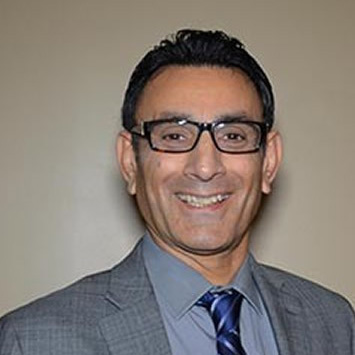
MD, Psychiatrist
Dr. Vahid Osman, MD is a psychiatry specialist in Indianapolis, IN.
Dr. Osman completed a residency at Austin State Hospital. He has over 32 years of experience in Psychiatry & Behavioral Health. He is board certified by the American Board of Psychiatry and Neurology.