Alcohol addiction, clinically known as Alcohol Use Disorder (AUD), affects millions of people and families worldwide. What often begins as social or occasional drinking can gradually progress into a serious condition that impacts physical health, mental well-being, relationships, and daily responsibilities. One of the most common questions people ask is whether alcohol addiction can truly be cured—or if it is something that must be managed for life.
Understanding how alcohol addiction works, why it develops, and what recovery really looks like can help individuals and families make informed decisions about treatment and long-term healing. Alcohol treatment offers a comprehensive approach for those struggling with alcohol addiction, providing both inpatient and outpatient options to support recovery.
Key Takeaways
- Alcohol addiction is a chronic disease, not a lack of willpower. While it isn’t curable in the traditional sense, Alcohol Use Disorder is highly treatable with proper medical care and ongoing support for patients.
- Long-term recovery requires more than detox. Successful treatment combines detox, therapy, possible medication, relapse prevention, and continued aftercare to address both physical and psychological dependence.
- Sustained sobriety is achievable with the right support system. Therapy, medications, peer support, and family involvement help individuals manage AUD and live healthy, fulfilling lives in recovery.
What is Alcohol Addiction?
Question: What is Alcohol Addiction?
Answer: Alcohol addiction, also known as Alcohol Use Disorder (AUD), is a chronic medical condition characterized by an inability to control alcohol use despite negative consequences. It affects how the brain functions, particularly areas related to reward, decision-making, and impulse control. Over time, repeated alcohol use can lead to physical dependence, increased tolerance, cravings, and withdrawal symptoms when drinking stops.
Alcohol addiction can range from mild to severe, but with proper treatment—including medical care, therapy, and ongoing support—many individuals can successfully manage the condition and achieve long-term recovery.
Understanding Alcohol Addiction
Alcohol addiction is not simply drinking too much on occasion. It is a medical condition marked by a loss of control over alcohol use despite negative consequences. Individuals with alcohol addiction often feel compelled to drink, experience cravings, and may develop both physical and psychological dependence.
Over time, the brain adapts to regular alcohol use. Tolerance develops, meaning more alcohol is needed to achieve the same effect. Eventually, stopping or reducing drinking can cause uncomfortable or dangerous withdrawal symptoms, reinforcing the cycle of addiction.
Common signs of alcohol addiction include:
- Drinking more or longer than intended
- Repeated unsuccessful attempts to cut back
- Strong cravings for alcohol
- Spending significant time drinking or recovering
- Continuing to drink despite health, work, or relationship problems
Alcohol addiction is not a failure of willpower. It is a complex condition involving changes in brain chemistry, behavior, and emotional regulation. Treatment plans may include specialized care substances, and mental disorders medications to address both addiction and co-occurring conditions.
What Is Alcohol Use Disorder (AUD)?
Alcohol Use Disorder is recognized as a chronic brain disease. A diagnosis is typically made when a person experiences two or more symptoms related to impaired control, risky use, physical dependence, or social problems caused by alcohol.
AUD exists on a spectrum—from mild to severe—and can worsen over time without treatment. Early recognition and intervention significantly improve outcomes and reduce long-term health risks. Education plays a vital role in raising awareness about Alcohol Use Disorder and supports early intervention and prevention efforts.
Causes of Alcohol Addiction
Alcohol addiction, or alcohol use disorder, is a multifaceted condition influenced by a range of genetic, psychological, and environmental factors. At First City Recovery Center in Kokomo, Indiana, we recognize that no two individuals experience addiction in the same way. Genetics can play a significant role—those with a family history of alcoholism are at higher risk.
Mental health challenges such as anxiety and depression often contribute to the development of alcohol use disorder, as individuals may turn to alcohol to cope with difficult emotions or stress.
Environmental factors, including exposure to trauma, high-stress situations, and social or cultural pressures, can also increase vulnerability to addiction. At our First City Recovery center, we understand the importance of addressing these underlying causes. Our individualized treatment programs are designed to help clients identify and work through the unique factors contributing to their alcohol use, supporting their journey to recovery and better mental health.
If you or a loved one is struggling with alcohol addiction in Indiana, First City Recovery is here to help you reclaim your health and your life.
Symptoms of Alcohol Addiction
Recognizing the symptoms of alcohol addiction is a crucial step toward seeking help and beginning the recovery process. At First City Recovery Center, we understand that the signs of alcohol addiction can manifest differently for each person.
Common symptoms include developing a higher tolerance to alcohol, experiencing withdrawal symptoms such as shakiness, sweating, or anxiety when not drinking, and feeling a persistent urge to consume alcohol despite negative impacts on health, relationships, or responsibilities.
Other warning signs may involve neglecting work, school, or family obligations, losing interest in hobbies, and experiencing physical health issues like tremors, seizures, or liver problems. If you notice these symptoms in yourself or a loved one, it’s important to seek support from a trusted treatment center.
First City Recovery Center in Kokomo offers a full continuum of care, from medical detox to outpatient treatment, ensuring that every stage of recovery is supported by compassionate professionals dedicated to your well-being and long-term recovery.
Is Alcohol Addiction a Disease?
Yes. Leading medical organizations, including the American Medical Association and the National Institute on Alcohol Abuse and Alcoholism, classify alcohol addiction as a chronic disease.
Alcohol alters the brain’s reward system by increasing dopamine release, reinforcing drinking behavior. Over time, the brain becomes reliant on alcohol to feel pleasure or relief, making quitting extremely difficult without professional support.
Viewing alcohol addiction as a disease—not a moral failing—helps reduce stigma and emphasizes the need for medical and therapeutic treatment. Seeking help from an accredited rehab center, such as one accredited by The Joint Commission, ensures access to high-quality, evidence-based treatment for alcohol addiction.
Can Alcohol Addiction Be Cured?
Alcohol addiction is not “curable” in the traditional sense, but it is highly treatable and manageable. Like other chronic conditions such as diabetes or hypertension, long-term management—not a one-time fix—is the goal.
Recovery does not mean the risk disappears. Even after long periods of sobriety, individuals may remain vulnerable to relapse, especially during times of stress or emotional difficulty. However, many people achieve long-term sobriety and lead healthy, fulfilling lives with the right treatment, support, and coping strategies, ultimately becoming healthy members of their communities.
Detox and Managing Withdrawal Safely
For many individuals, recovery begins with medically supervised detox. Alcohol withdrawal can range from mild symptoms like anxiety and insomnia to severe, life-threatening complications such as seizures or delirium tremens.
Many treatment centers offer detox as the first step in comprehensive alcohol addiction recovery, ensuring individuals have a safe and supportive environment to begin their journey.
In a professional detox setting, medical staff monitor vital signs and provide medications to ease withdrawal symptoms and ensure safety. Detox addresses the physical dependence on alcohol but is only the first step in recovery.
Rehabilitation and Ongoing Treatment
After detox, rehabilitation programs—either inpatient or outpatient—help individuals address the psychological, behavioral, and emotional aspects of addiction. Alcohol treatment includes both inpatient and outpatient drug programs, and many facilities offer inpatient care as well as a range of outpatient services to support clients at every stage of recovery.
Treatment focuses on identifying triggers, building coping skills, and addressing underlying mental health concerns that may contribute to drinking.
Long-term treatment often includes:
- Behavioral therapies, such as Cognitive Behavioral Therapy (CBT)
- Relapse prevention planning
- Medication-assisted treatment (MAT)
- Ongoing counseling and support groups
Recovery is a continuous process that requires commitment, structure, and constant support throughout every phase of the journey.
Medications for Alcohol Use Disorder
Certain medications can help reduce cravings, manage symptoms, and lower the risk of relapse when used alongside therapy:
- Naltrexone reduces the rewarding effects of alcohol
- Acamprosate supports abstinence by easing withdrawal-related discomfort
- Disulfiram discourages drinking by causing unpleasant reactions when alcohol is consumed
Extended release formulations and combination medications like naloxone buprenorphine are also used in some treatment plans to improve adherence and reduce misuse, particularly for individuals with co-occurring opioid use disorder. Pre-exposure strategies, such as preventive medications, may be considered for individuals at risk of substance use complications.
These medications are not cures, but valuable tools within a comprehensive treatment plan.
The Role of Therapy and Counseling
Therapy is a cornerstone of alcohol addiction treatment. Many individuals with AUD also struggle with anxiety, depression, trauma, or other mental health conditions. Addressing these issues is critical for long-term recovery. Specialized counseling is available for individuals who have experienced trauma, such as domestic violence, as part of comprehensive alcohol addiction treatment.
Effective therapy approaches include:
- Cognitive Behavioral Therapy (CBT)
- Motivational Enhancement Therapy (MET)
- Family therapy to rebuild trust and support
Therapy helps individuals understand their behaviors, strengthen motivation, and develop healthier coping mechanisms.
Co-Occurring Disorders
Many individuals struggling with alcohol addiction also face co-occurring mental health disorders, a situation known as dual diagnosis. Conditions such as depression, anxiety, post traumatic stress disorder (PTSD), and bipolar disorder frequently occur alongside substance use, making recovery more complex.
At First City Recovery Center in Kokomo, IN, we specialize in treating co-occurring disorders through individualized treatment programs that address both mental health and substance use challenges.
Our intensive outpatient program (IOP) and partial hospitalization program (PHP) offer a comprehensive range of therapies, including cognitive behavioral therapy (CBT), dialectical behavior therapy (DBT), and group therapy. These evidence-based approaches help clients manage symptoms, build resilience, and achieve long-term recovery. By treating the whole person—not just the addiction—our city recovery team empowers individuals to overcome co-occurring disorders and reclaim their lives.
Support Systems and Relapse Prevention
Recovery is rarely successful in isolation. Strong support systems—including family, friends, peer groups, and professionals—play a major role in sustained sobriety.
Relapse is common and does not mean failure. What matters is having a plan to recognize warning signs, manage triggers, and seek help early. Continued participation in therapy, support groups, and aftercare programs significantly reduces relapse risk.
At First City Recovery Center, we reflect on the many lives supported through our recovery programs, where each story is a testament to the resilience witnessed in individuals overcoming alcohol addiction. Our commitment extends beyond treatment, fostering visible recovery through ongoing support and alumni programs that encourage connection, accountability, and hope for new beginnings.
Life After Treatment: Aftercare and Ongoing Support
Aftercare programs provide structure and accountability after formal treatment ends. Options include:
- 12-step programs like Alcoholics Anonymous
- Non-12-step programs such as SMART Recovery
- Individual or group therapy
- Family support programs
- In-person services at our physical facilities for face-to-face support
- Telehealth options, including video conferencing, to provide flexible ongoing support and remote outpatient care
Ongoing support helps individuals maintain sobriety and navigate real-life challenges without returning to alcohol.
Supporting a Loved One With Alcohol Addiction
Supporting loved ones with alcohol addiction is crucial in the recovery process. Educating yourself, encouraging treatment, setting healthy boundaries, and avoiding enabling behaviors can make a meaningful difference. Support groups for families can also provide guidance and emotional relief.
Accreditation and Certification
First City Recovery Center is proud to be accredited by The Joint Commission, a mark of excellence in healthcare quality and safety. Our treatment center is also certified by the state of Indiana and maintains memberships with leading professional organizations, reflecting our commitment to the highest standards of care.
We provide individualized treatment programs for substance use disorders and mental health conditions, delivered by a team of licensed professionals, including doctors, therapists, and counselors.
To make our services accessible, we accept a wide range of insurance benefits and offer flexible financing options. At First City Recovery, our mission is to help clients achieve long term recovery through compassionate, evidence-based treatment and ongoing support. If you or a loved one is seeking help for substance use or mental health disorders, our accredited center in Indiana is here to guide you every step of the way.
Hope and Recovery
Recovery from substance use disorders and mental health challenges is possible, and First City Recovery Center is dedicated to helping you achieve lasting change. Located in Kokomo, Indiana, our mental health treatment center offers a comprehensive range of services, including medical detox, inpatient and outpatient treatment, educational support, and case management.
We believe that every individual deserves the opportunity to become a healthy member of their community, and our programs are designed to support you throughout your recovery journey.
Our team provides both individual and group therapy, fostering resilience, hope, and a sense of connection. With a focus on long term recovery, we help clients develop the skills and confidence needed to navigate everyday life without returning to substance use. If you’re ready to take the first step toward a brighter future, contact First City Recovery Center in Kokomo, Indiana, today to learn more about our services and how we can support your path to recovery.
Professional Help at First City Recovery
At First City Recovery, we understand that alcohol addiction is complex—but recovery is possible. Our evidence-based programs combine medical care, therapy, and long-term support to help individuals achieve and maintain sobriety. We also offer integrated mental health treatment as part of our comprehensive services.
If you or a loved one is struggling with alcohol addiction, professional help can make all the difference. First City Recovery is located on Jefferson Street, Kokomo, making it accessible for those seeking help in the area and establishing a strong presence on the street in Kokomo. Reach out to First City Recovery today and take the first step toward lasting recovery and a healthier future.
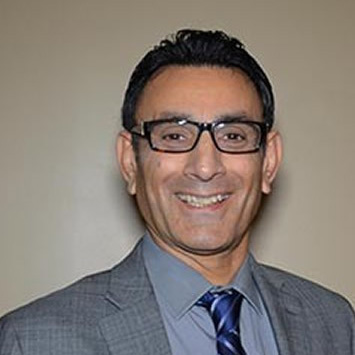
MD, Psychiatrist
Dr. Vahid Osman, MD is a psychiatry specialist in Indianapolis, IN.
Dr. Osman completed a residency at Austin State Hospital. He has over 32 years of experience in Psychiatry & Behavioral Health. He is board certified by the American Board of Psychiatry and Neurology.