Recovery from addiction is rarely a straight line. For many individuals, it includes periods of progress followed by setbacks—a pattern known as chronic relapse. Research shows that 40–60% of people in recovery experience relapse, underscoring the need for treatment approaches that go beyond willpower alone.
At First City Recovery Center in Kokomo, Indiana, we recognize that addiction is a disease that requires compassionate, professional treatment. Our facility, located on Jefferson Street, Kokomo, offers a full continuum of care, including alcohol treatment, detox, inpatient, outpatient drug and alcohol treatment, outpatient treatment, partial hospitalization, and intensive outpatient program options.
We provide individualized treatment programs tailored to each client’s unique needs and diagnosis. Patients often describe a strong sense of community and deep emotional support at our center, and appreciate the supportive and safe environment provided during their recovery journey.
We accept various insurance plans for treatment, making our services accessible to more individuals seeking help. Through these comprehensive services, we help individuals address the root causes of addiction and build the tools needed for long-term recovery.
Key Takeaways
- Chronic relapse is a pattern—not a failure: Repeated relapse indicates deeper underlying issues such as mental health conditions, trauma, or environmental triggers that require targeted, ongoing treatment.
- Comprehensive care improves long-term recovery outcomes: Addressing chronic relapse often requires a full continuum of care, including therapy, support groups, dual diagnosis treatment, structured aftercare, and comprehensive support services such as case management and psychiatric care.
- Early awareness and support can break the relapse cycle: Recognizing behavioral, emotional, and psychological warning signs early—combined with strong support systems—can significantly reduce the risk of ongoing relapse. Chronic relapse can lead to increased hopelessness, damaged relationships, and worsening health, making early intervention and individualized care especially important.
What is Chronic Relapse?
Question: What is Chronic Relapse?
Answer: Chronic relapse is a recurring pattern in addiction recovery where an individual repeatedly returns to substance use despite attempts to stop. Unlike a single relapse, chronic relapse involves ongoing cycles of sobriety followed by setbacks, often driven by unresolved mental health conditions, environmental triggers, or lack of adequate support.
Chronic relapse often co-occurs with mental health conditions such as bipolar disorder, which require integrated treatment approaches that address both substance use and co-occurring psychiatric diagnoses.
It is not a sign of failure, but an indication that treatment strategies need to be adjusted, expanded, or more personalized. Effective management of chronic relapse requires a comprehensive, long-term approach that addresses both addiction and underlying psychological, emotional, and behavioral factors, with a focus on care substance—personalized, structured care for substance use and co-occurring disorders.
What is Chronic Relapse in Addiction Recovery?
Chronic relapse refers to a repeated pattern of returning to substance use despite efforts to stop. Unlike a single relapse, which may occur due to stress or unexpected triggers, chronic relapse involves ongoing cycles of sobriety followed by setbacks that make sustained recovery difficult.
Common symptoms associated with chronic relapse include persistent cravings, mood swings, anxiety, and difficulty managing stress. Recognizing these symptoms is important, as chronic relapse is considered a disease that requires comprehensive treatment and support.
This pattern can be emotionally exhausting and discouraging, often leaving individuals feeling hopeless or stuck. Understanding chronic relapse as a complex, non-linear process is essential. Recovery takes time, patience, and the right combination of treatment, support, and self-awareness.
Relapse vs. Chronic Relapse: What’s the Difference?
A relapse is typically a one-time return to substance use after a period of sobriety. It may occur in response to emotional distress, social pressure, or environmental triggers and does not erase recovery progress.
Chronic relapse, however, involves repeated unsuccessful attempts to remain sober. These recurring setbacks often point to unresolved psychological issues, persistent environmental triggers, or gaps in support. Individuals experiencing chronic relapse are patients who require comprehensive medical and psychological support, not moral judgment. Addressing chronic relapse requires a deeper, more personalized treatment approach that goes beyond symptom management.
How Chronic Relapse Affects Relationships and Support Systems
Chronic relapse doesn’t only impact the individual—it also affects family, friends, and loved ones. Repeated setbacks can lead to frustration, confusion, and emotional strain within support networks. Over time, this may weaken relationships that are vital to recovery.
Some individuals affected by chronic relapse may have experienced domestic violence, and specialized support services are available to address the unique needs of those who have suffered abuse or trauma in their home or intimate relationships.
Education and understanding are key. When loved ones learn about the nature of addiction and relapse, they can respond with compassion rather than judgment. Family therapy, group therapy, and support groups can strengthen communication, address family dynamics, interrupt unhealthy relationship patterns, and create a more supportive recovery environment.
The Role of Self-Awareness in Breaking the Cycle
Self-awareness plays a crucial role in preventing chronic relapse. Learning to identify triggers, emotional patterns, and early warning signs empowers individuals to respond proactively rather than react impulsively.
Practices such as mindfulness, journaling, and meditation can improve emotional regulation and increase insight. Over time, these tools help individuals build resilience and make more intentional choices that support long-term sobriety.
Causes and Contributing Factors of Chronic Relapse
Chronic relapse is often driven by a combination of psychological, environmental, and social factors. Chronic relapse can involve a range of drugs, including both legal and illegal substances, which can complicate recovery and increase the risk of repeated setbacks. It is essential to treat the whole person—not just the addiction—by addressing their unique needs, underlying mental health issues, and providing a supportive environment for lasting recovery.
1. Psychological Factors
Mental health conditions such as depression, anxiety, PTSD, or unresolved trauma significantly increase relapse risk. Many individuals turn to substances as a coping mechanism, creating a cycle of emotional pain and substance use.
Without proper mental health treatment, relapse becomes more likely. As part of a comprehensive treatment plan for co-occurring mental health and substance use disorders, mental disorders medications may be prescribed to help manage symptoms and support long-term recovery.
2. Environmental Triggers
Returning to environments associated with past substance use—such as certain social circles, locations, or routines—can trigger cravings. High-stress situations like job loss, financial strain, or relationship conflicts can also push individuals toward old coping behaviors.
3. Lack of Support
Recovery thrives on connection. Individuals without a strong support system may feel isolated, overwhelmed, or misunderstood. Without structured aftercare, therapy, or peer support, maintaining sobriety becomes significantly more challenging.
4. Biological Factors
Biological factors are a crucial piece of the puzzle when it comes to understanding and treating substance use disorders and mental health conditions. At First City Recovery Center, located on Jefferson Street in Kokomo, Indiana, we recognize that genetics, brain chemistry, and medical history can all influence a person’s vulnerability to addiction and their journey toward recovery.
Our First City Recovery Center is dedicated to providing individualized treatment programs that take these biological factors into account. Whether a client is struggling with alcohol use disorder, post-traumatic stress disorder, or another mental health condition, our team designs a personalized plan that addresses their unique needs.
This includes offering medical detox to safely manage withdrawal symptoms, as well as intensive outpatient and outpatient services to support clients at every stage of their recovery.
We understand that effective addiction treatment must go beyond addressing substance use alone. That’s why our approach integrates evidence-based therapies like cognitive behavioral therapy (CBT) and medication-assisted treatment (MAT), which are proven to help manage both the biological and psychological aspects of addiction.
Our staff also provides educational support and counseling, empowering clients to understand how their biology impacts their health and recovery, and helping them develop healthy coping strategies for long-term success.
At First City Recovery Center in Kokomo, we believe that treating co-occurring mental health conditions—such as post-traumatic stress disorder or other mental health challenges—is essential for achieving lasting recovery. Our facility, accredited by the Joint Commission, offers a full continuum of care, from inpatient detox to outpatient services, ensuring that clients receive the comprehensive support they need.
We strive to make our services accessible by accepting a wide range of insurance benefits and offering flexible financing options. Our commitment is to provide compassionate, individualized care that helps clients and their loved ones overcome addiction and mental health challenges and achieve long-term recovery.
If you or someone you care about is seeking support for substance use or a mental health condition, reach out to First City Recovery Center in Kokomo, Indiana, to learn how we can help you take the next step toward a healthier future.
Emotional and Psychological Challenges of Chronic Relapse
Chronic relapse often brings intense feelings of guilt, shame, and self-doubt. Repeated setbacks can damage self-esteem and create the belief that recovery is impossible. These emotions may prevent individuals from seeking help, reinforcing the cycle of relapse.
Addressing emotional health is essential. Building self-compassion, restoring hope, and reframing relapse as a learning opportunity can dramatically improve recovery outcomes.
Warning Signs of Chronic Relapse
Recognizing early warning signs can help prevent a full relapse:
Behavioral Signs
- Isolating from friends, family, or recovery support
- Skipping therapy or recovery meetings
- Neglecting work, school, or personal responsibilities
- Spending time in high-risk environments
- Using substances “just once” or minimizing slips
Emotional Signs
- Increased irritability or mood swings
- Feelings of frustration, hopelessness, or overwhelm
- Heightened stress or anxiety without healthy coping tools
Psychological Signs
- Denying relapse risk
- Romanticizing past substance use
- Resisting treatment or accountability
- Persistent negative self-talk or self-doubt
Treatment Approaches for Chronic Relapse
Effective treatment for chronic relapse addresses both addiction and its underlying causes. Medication-Assisted Treatment (MAT), including extended-release formulations and naloxone buprenorphine, can stabilize brain chemistry and reduce cravings that drive relapse.
Evidence-based therapies such as Cognitive Behavioral Therapy (CBT) and Dialectical Behavior Therapy (DBT) are also beneficial in addressing chronic relapse.
Brain stimulation therapies like Transcranial Magnetic Stimulation (TMS) are used to target cravings and treatment-resistant depression. Advanced treatment centers utilize AI-powered clinical models and virtual reality (VR) to help patients manage cravings.
1. Therapy and Counseling
Evidence-based therapies such as Cognitive Behavioral Therapy (CBT) help individuals identify triggers, challenge negative thought patterns, and develop healthier coping strategies.
2. Support Groups
Peer support groups like AA or NA provide accountability, connection, and shared understanding. Regular participation helps reduce isolation and strengthens commitment to recovery.
3. Holistic and Mindfulness-Based Strategies
Mindfulness practices, meditation, breathing exercises, and stress-reduction techniques support emotional regulation and reduce impulsive decision-making. Avoiding high-risk situations and creating new routines further reinforce sobriety.
Get Help for Chronic Relapse at First City Recovery Center
If chronic relapse has become part of your recovery journey, you’re not alone—and help is available. First City Recovery Center, a rehab center accredited by The Joint Commission and located just 35 miles north of Indianapolis in Kokomo, offers a compassionate, personalized approach to addiction treatment.
Our accredited programs provide a full continuum of care—from detox and residential treatment to outpatient services and sober living. We also offer a dedicated veterans program to support veterans with addiction and mental health concerns. Many patients describe their experience at First City Recovery Center as life-changing, stating it helped them regain their self-worth.
Through our community, clients receive ongoing support as they transition back into everyday life, with the goal of helping them become healthy members of their community.
Chronic relapse is not the end of recovery—it’s an opportunity to deepen it. While some reviewers have expressed concerns about uncomfortable interactions with non-clinical staff, the center is committed to ongoing improvement. Contact First City Recovery Center today to learn how we can help you achieve lasting sobriety and a healthier, more fulfilling future.
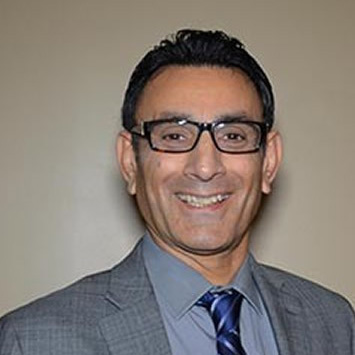
MD, Psychiatrist
Dr. Vahid Osman, MD is a psychiatry specialist in Indianapolis, IN.
Dr. Osman completed a residency at Austin State Hospital. He has over 32 years of experience in Psychiatry & Behavioral Health. He is board certified by the American Board of Psychiatry and Neurology.