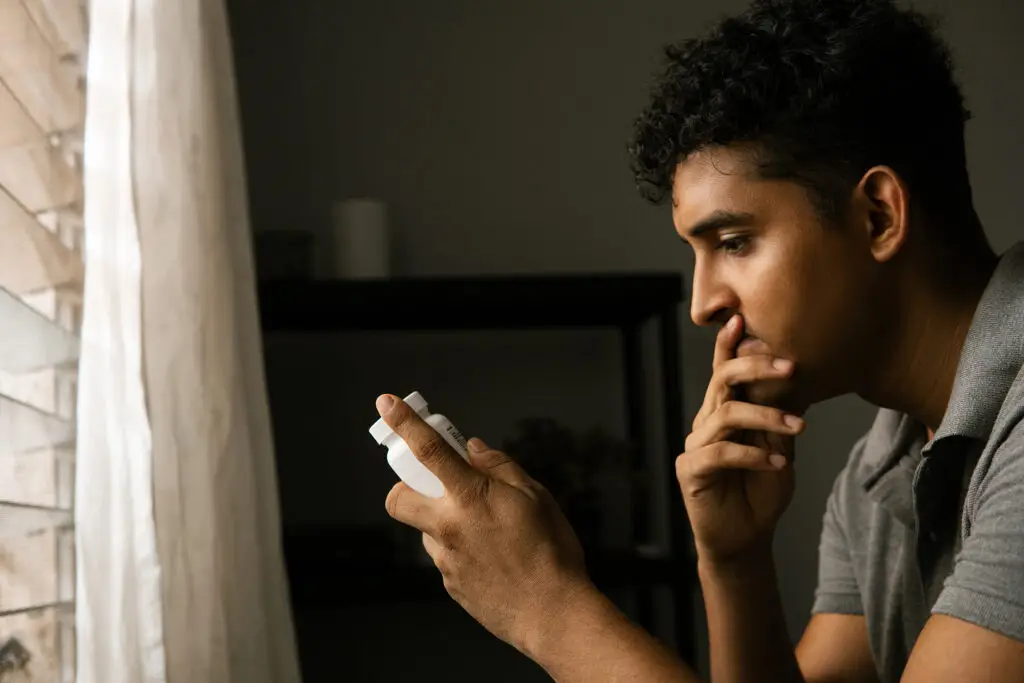
Quick Answer: There is no single timeline. How long cocaine stays detectable depends on the test type being used, how often and how much you’ve used, your individual metabolism, and the time that has passed since your last use.
“Stay in your system” usually means remain detectable on a drug test—not that you’re still feeling the effects. Those two things are not the same.
This article explains general cocaine detection patterns by test type. It cannot predict your specific outcome.

If you’ve recently used cocaine and are now facing a drug test—or worrying about one—you’re probably looking for a direct answer. The problem is that most of what comes up online either gives you a rigid number that doesn’t account for your situation or contradicts itself in ways that make the anxiety worse.

Here’s the honest reality: cocaine detection time varies from person to person. The amount used, how frequently, your metabolism, and the type of test all factor into the picture. This article walks through each of those variables so you’re working from an accurate framework rather than a number that may not apply to you.

Cocaine Detection Time Varies

Yes, cocaine can remain detectable after use—and the window depends on several factors working together. A one-time use and a pattern of regular use do not look the same from a testing standpoint. The test type matters just as much as the use pattern.

This is why conflicting answers are so common online: many sources give a single number without specifying what test they’re referring to, or whether they’re describing occasional or heavy use. No article can tell you exactly when you will test negative. What this one can do is explain the variables clearly.

Key points before going deeper:

  • Cocaine is detectable after use, but the detection window varies significantly by test type
  • Urine, blood, saliva, and hair tests each work differently and operate over different timeframes
  • Frequency and pattern of use—one-time, occasional, repeated, binge—create meaningfully different situations
  • Individual metabolism and body chemistry affect how quickly metabolites clear

What “Stay in Your System” Means for Cocaine

When people ask how long cocaine stays in their system, they’re often mixing together three different things—and confusing them is one of the biggest sources of false reassurance or unnecessary panic.

The first is how long you feel the effects of cocaine. That is time-limited and typically lasts a short period after use. The second is how long active cocaine remains present in your bloodstream, which is also relatively brief. The third—and the one that matters most for drug testing—is how long cocaine metabolites remain detectable after the cocaine itself has been processed.

When your body breaks down cocaine, it produces metabolites. The most commonly tested is benzoylecgonine. These metabolites can linger in the body well after cocaine itself has cleared and after any effects have worn off. Most drug tests are designed to detect these metabolites, not cocaine itself.

Effects vs. Detectability: Not the Same. Feeling the effects: Cocaine’s psychoactive effects are relatively short-lived after use.
Testing positive: Drug tests look for metabolites—breakdown products that persist long after the effects are gone.
Someone can feel completely clear-headed and still test positive. These are separate biological processes.

Factors That Affect How Long Cocaine Stays in Your System

The range of possible detection windows exists because of how many variables interact. Understanding these factors won’t give you a guaranteed personal timeline, but it helps explain why generic answers often miss the mark.

Why Online Timelines Vary So Much. Detection time is the result of multiple overlapping variables. Two people with similar use can have very different test outcomes depending on their metabolism, body composition, and the specific test being used. This is not a flaw in the science—it’s just how individual biology works.
  • Amount used – Larger quantities of cocaine mean more metabolites for the body to process and eliminate. A larger dose generally corresponds to a longer detection window.
  • Frequency of use – A single recent use creates a different metabolite picture than regular or repeated use. With ongoing use, metabolites can accumulate and take considerably longer to clear.
  • Pattern of use – Binge use—large amounts consumed in a short period—can produce a metabolite load that outlasts what a simpler use pattern would. Pattern matters alongside frequency.
  • Individual metabolism – People process substances at different rates. A faster metabolism generally means faster clearance of metabolites, though other factors can offset this.
  • Overall health and body composition – Some cocaine metabolites are fat-soluble. Body composition, hydration, and general health can influence how quickly the body clears metabolites over time.
  • Time since last use – The longer the gap between last use and testing, the more time the body has had to clear metabolites. This is one of the most meaningful variables in the picture.

To illustrate: a person who used cocaine once at a single event several weeks ago is in a very different situation from someone who has used repeatedly over recent weeks. Applying the same timeline to both misrepresents what either of them faces.

Not sure where things stand with your cocaine use? A confidential substance use assessment can help you get clarity without pressure.
Visit: /substance-use-assessment

Detection Windows by Test Type

The test type is one of the most important variables in the cocaine detection picture—and one of the most frequently overlooked. Urine, blood, saliva, and hair tests each detect cocaine differently, measure different things, and operate over different timeframes. The same use event can look very different depending on which test is being used.

Test TypeWhat It DetectsGeneral Detection Logic
UrineCocaine metabolites (benzoylecgonine)Most common employment screen. Detection window varies widely based on use pattern, dose, and metabolism. Focuses on metabolites, not active cocaine.
BloodActive cocaine and some metabolitesMore closely tied to recent use. Less common in routine workplace screening; more relevant in medical or legal contexts.
SalivaCocaine in oral fluidGenerally targets recent or same-day exposure. May be used for roadside or workplace screening in some settings.
HairCocaine metabolites in hair follicleCan reflect a much longer window of exposure history. Less common in routine screening but used in some forensic or legal contexts.

How Long Does Cocaine Stay in Urine?

Urine testing is one of the most common drug screening methods used in workplace, legal, and clinical settings, which makes it the test that most readers facing a drug screen are concerned about. Urine tests typically detect benzoylecgonine and other cocaine metabolites—not cocaine itself, and not current impairment.

The cocaine detection window in urine is variable and depends heavily on use pattern, dose, and individual metabolism. A single use at a lower dose may clear faster than repeated or high-dose use, which can result in metabolites remaining detectable for a considerably longer period. There is no precise universal timeline.

Factors that can extend urine detectability after cocaine use:

  • Frequent or repeated use over a short or extended period
  • Higher doses or binge-pattern use
  • Slower individual metabolism
  • Higher body fat, since some metabolites are fat-soluble
  • Short time elapsed since last use

It bears emphasizing: urine tests do not detect whether you are currently impaired by cocaine. They detect whether metabolites are still present above the test threshold. Feeling clear-headed does not mean testing negative.

How Long Does Cocaine Stay in the Blood?

Blood testing is less common in routine workplace drug screening than urine testing. It is more typically used in medical contexts, emergency situations, or legal investigations—particularly where recent use or impairment is the specific question being asked.

Blood tests are more closely associated with detecting recent cocaine exposure. Active cocaine itself clears from the bloodstream relatively quickly after use, but metabolites may remain detectable for a period that varies by individual. The recency of use is a more important variable for blood testing than it is for urine.

If blood testing applies to your situation, the context is likely legal or medical rather than routine employment screening. The specific circumstances and timing matter significantly.

How Long Does Cocaine Stay in Saliva?

Saliva testing may be used in some workplace environments, roadside settings, or situations where recent cocaine use is the primary concern. Oral fluid tests generally focus on more recent exposure than urine tests, making timing relative to last use especially relevant.

  • Saliva testing is often associated with very recent or same-day cocaine use
  • Detection windows for saliva are generally shorter than those for urine, but vary by individual and use pattern
  • Saliva and urine do not operate on the same timeline—do not assume one result predicts the other

If you are facing a saliva test, the most relevant factor is how recently you used cocaine and the specific threshold of the test being administered.

How Long Does Cocaine Stay in Hair?

Hair follicle testing operates on a much longer timescale than any other test type. Hair tests can detect cocaine metabolites that have been deposited into the hair shaft over time, potentially reflecting months of use history. This makes hair testing the longest-reach method available.

Hair testing is less common in routine employment or school-related screening, but it does appear in forensic, legal, and some high-security employment contexts. For most readers, urine testing is the more immediate concern. However, if hair testing is relevant to your situation, understanding that it reflects a longer history—not just recent use—is important.

As with all test types, results depend on individual factors, including how cocaine metabolizes in your specific biology.

Why Timing Isn’t the Only Risk That Matters

Many readers who search this topic are focused entirely on timing: when will the cocaine clear? When will I test negative? That’s understandable—but it can cause people to miss the larger picture.

A testing scare can also be a signal worth paying attention to, separately from whatever test is involved. Cocaine use can escalate more quickly than many people expect. What starts as occasional use in social settings can shift—in frequency, in dose, in how much mental space it takes up—without a clear moment when it happened.

The question “when am I out of the woods on this test?” is legitimate. But another question sometimes sits alongside it: “what does this situation tell me about where my use is heading?” Both questions are worth taking seriously.

Cocaine use can escalate faster than people expect. The physical and psychological effects of cocaine use can compound with repeated exposure. Risk isn’t only about testing windows—it includes effects on judgment, relationships, work, finances, and physical health that often develop gradually before becoming obvious.
If any part of this resonates, confidential support is available.

Why Online Answers About Cocaine Detection Conflict

If you’ve been searching and found wildly inconsistent answers, you’re not misreading them. Cocaine detection information online is genuinely inconsistent—and there are specific reasons for it.

Why the answers vary so widely:

  • Active drug presence and metabolite detection get mixed up – Some sources describe how long cocaine is active in the body; others describe how long metabolites are detectable. These are very different timelines being presented without a clear distinction.
  • Test types are rarely separated clearly – A number that applies to urine testing gets presented as if it applies to blood, saliva, and hair equally. It does not.
  • Use patterns are treated as equivalent – Occasional and heavy use are often given the same detection estimate, even though they can differ substantially in reality.
  • Exact-day answers are oversimplified – Detection involves individual biology. Presenting a single day as the answer conceals the variability that makes individual results unpredictable.

Conflicting information doesn’t mean the topic is unknowable—it means the honest answer acknowledges variability rather than hiding it. Sources that give a confident, exact number without caveats are usually oversimplifying.

Common Myths About How Long Cocaine Stays in Your System

MythFact
There is one exact timeline for everyone.Detection time varies based on test type, use frequency, dose, metabolism, and body chemistry. No universal number applies to every person.
If you no longer feel the effects, cocaine is out of your system.The effects wearing off and metabolites clearing are completely separate processes. You can feel sober and still test positive.
Every test works the same way.Urine, blood, saliva, and hair tests detect cocaine differently and over different time frames. The test type is as important as the use pattern.
One-time use and repeated use create the same risk.Frequency and pattern of use meaningfully affect detection. Regular or binge use can extend detectability in ways that one-time use typically does not.
Internet “guaranteed clean” tricks are reliable.No commercially available product has been proven to reliably alter drug test outcomes. These claims exploit anxiety without delivering results.

What To Do If You’re Worried About Recent Cocaine Use

If you’re anxious about a test or the situation around recent use, here are the steps most likely to actually help:

  • Find out which test you’re facing, if possible – Urine, blood, saliva, and hair tests are meaningfully different. Knowing your specific test type gives you a more accurate picture than any general timeline.
  • Review any official policy or documentation you’ve received – Employer drug policies, legal requirements, and medical protocols sometimes specify the test type and threshold being used.
  • Avoid detox products and guaranteed-clean claims – No commercially available product has been proven to reliably alter drug test outcomes. These products exploit anxious moments.
  • Seek appropriate medical or legal guidance if the stakes are high. If legal consequences are involved, an attorney familiar with drug testing matters can provide context no article can offer.
  • Consider whether the anxiety is pointing to something beyond the test – Fear after cocaine use can be informative. Some readers recognize in that moment that their use has moved in a direction they didn’t intend.

If you’re thinking about getting more control over your cocaine use—or if someone you trust has expressed concern—that instinct is worth following.

Cocaine use can escalate quickly. Get a confidential assessment today. A substance use assessment is confidential, low-pressure, and a useful starting point for anyone who wants to understand where they stand.
Visit: /substance-use-assessment or /cocaine-treatment-options

When This Search Is a Bigger Warning Sign

Some readers arrive here because of a single incident they’re hoping won’t have lasting consequences. Others arrive because this is not the first time—and they know it. Both situations are real, and neither deserves shame.

If cocaine use has started occurring more frequently than you planned, or if you’ve tried to cut back and found it harder than expected, that’s meaningful information. Cocaine use disorder can develop gradually, and the window between “occasional” and “regular” use can close faster than people anticipate.

Signs cocaine use may be becoming a more serious concern: Using more frequently or in larger amounts than originally intended. Difficulty stopping or cutting back, even when you want to. Using cocaine affects work, relationships, finances, or physical health. Spending significant time thinking about use, obtaining it, or recovering from it. A test scare isn’t the first time you’ve felt uneasy about your use You don’t need to have hit a bottom to ask for help. Confidential support is available.

Effective treatment for cocaine use exists, including behavioral therapy, structured outpatient programs, and inpatient care, depending on individual need. The earlier someone reaches out, the more options are typically available.

Final Takeaway

There is no universal answer to how long cocaine stays in your system. Detection time depends on the type of test you’re facing, how recently and how often you’ve used it, the amount consumed, and your individual metabolism and body chemistry.

The most important thing to remember: feeling sober and testing negative are not the same. Cocaine metabolites can remain detectable after any effects have worn off, and the detection window varies from person to person.

If a testing concern has prompted a broader look at your cocaine use, that reflection matters—and support is available for people who want it.

Ready to take the next step?Concerned about cocaine use? Get a confidential assessment.Visit: /substance-use-assessment or /cocaine-treatment-options
Not ready for that yet? Read: When to seek help for cocaine use. Visit: /when-to-seek-help-for-cocaine-use
Explore cocaine treatment options: /cocaine-treatment-options

Accessibility Toolbar

How Long Does Cocaine Stay in Your System? Detection Windows by Test Type

Quick Answer: There is no single timeline. How long cocaine stays detectable depends on the test type being used, how often and how much you’ve used, your individual metabolism, and the time that has passed since your last use.
“Stay in your system” usually means remain detectable on a drug test—not that you’re still feeling the effects. Those two things are not the same.
This article explains general cocaine detection patterns by test type. It cannot predict your specific outcome.

If you’ve recently used cocaine and are now facing a drug test—or worrying about one—you’re probably looking for a direct answer. The problem is that most of what comes up online either gives you a rigid number that doesn’t account for your situation or contradicts itself in ways that make the anxiety worse.

Here’s the honest reality: cocaine detection time varies from person to person. The amount used, how frequently, your metabolism, and the type of test all factor into the picture. This article walks through each of those variables so you’re working from an accurate framework rather than a number that may not apply to you.

Cocaine Detection Time Varies

Yes, cocaine can remain detectable after use—and the window depends on several factors working together. A one-time use and a pattern of regular use do not look the same from a testing standpoint. The test type matters just as much as the use pattern.

This is why conflicting answers are so common online: many sources give a single number without specifying what test they’re referring to, or whether they’re describing occasional or heavy use. No article can tell you exactly when you will test negative. What this one can do is explain the variables clearly.

Key points before going deeper:

  • Cocaine is detectable after use, but the detection window varies significantly by test type
  • Urine, blood, saliva, and hair tests each work differently and operate over different timeframes
  • Frequency and pattern of use—one-time, occasional, repeated, binge—create meaningfully different situations
  • Individual metabolism and body chemistry affect how quickly metabolites clear

What “Stay in Your System” Means for Cocaine

When people ask how long cocaine stays in their system, they’re often mixing together three different things—and confusing them is one of the biggest sources of false reassurance or unnecessary panic.

The first is how long you feel the effects of cocaine. That is time-limited and typically lasts a short period after use. The second is how long active cocaine remains present in your bloodstream, which is also relatively brief. The third—and the one that matters most for drug testing—is how long cocaine metabolites remain detectable after the cocaine itself has been processed.

When your body breaks down cocaine, it produces metabolites. The most commonly tested is benzoylecgonine. These metabolites can linger in the body well after cocaine itself has cleared and after any effects have worn off. Most drug tests are designed to detect these metabolites, not cocaine itself.

Effects vs. Detectability: Not the Same. Feeling the effects: Cocaine’s psychoactive effects are relatively short-lived after use.
Testing positive: Drug tests look for metabolites—breakdown products that persist long after the effects are gone.
Someone can feel completely clear-headed and still test positive. These are separate biological processes.

Factors That Affect How Long Cocaine Stays in Your System

The range of possible detection windows exists because of how many variables interact. Understanding these factors won’t give you a guaranteed personal timeline, but it helps explain why generic answers often miss the mark.

Why Online Timelines Vary So Much. Detection time is the result of multiple overlapping variables. Two people with similar use can have very different test outcomes depending on their metabolism, body composition, and the specific test being used. This is not a flaw in the science—it’s just how individual biology works.

  • Amount used – Larger quantities of cocaine mean more metabolites for the body to process and eliminate. A larger dose generally corresponds to a longer detection window.
  • Frequency of use – A single recent use creates a different metabolite picture than regular or repeated use. With ongoing use, metabolites can accumulate and take considerably longer to clear.
  • Pattern of use – Binge use—large amounts consumed in a short period—can produce a metabolite load that outlasts what a simpler use pattern would. Pattern matters alongside frequency.
  • Individual metabolism – People process substances at different rates. A faster metabolism generally means faster clearance of metabolites, though other factors can offset this.
  • Overall health and body composition – Some cocaine metabolites are fat-soluble. Body composition, hydration, and general health can influence how quickly the body clears metabolites over time.
  • Time since last use – The longer the gap between last use and testing, the more time the body has had to clear metabolites. This is one of the most meaningful variables in the picture.

To illustrate: a person who used cocaine once at a single event several weeks ago is in a very different situation from someone who has used repeatedly over recent weeks. Applying the same timeline to both misrepresents what either of them faces.

Not sure where things stand with your cocaine use? A confidential substance use assessment can help you get clarity without pressure.
Visit: /substance-use-assessment

Detection Windows by Test Type

The test type is one of the most important variables in the cocaine detection picture—and one of the most frequently overlooked. Urine, blood, saliva, and hair tests each detect cocaine differently, measure different things, and operate over different timeframes. The same use event can look very different depending on which test is being used.

Test Type What It Detects General Detection Logic
Urine Cocaine metabolites (benzoylecgonine) Most common employment screen. Detection window varies widely based on use pattern, dose, and metabolism. Focuses on metabolites, not active cocaine.
Blood Active cocaine and some metabolites More closely tied to recent use. Less common in routine workplace screening; more relevant in medical or legal contexts.
Saliva Cocaine in oral fluid Generally targets recent or same-day exposure. May be used for roadside or workplace screening in some settings.
Hair Cocaine metabolites in hair follicle Can reflect a much longer window of exposure history. Less common in routine screening but used in some forensic or legal contexts.

How Long Does Cocaine Stay in Urine?

Urine testing is one of the most common drug screening methods used in workplace, legal, and clinical settings, which makes it the test that most readers facing a drug screen are concerned about. Urine tests typically detect benzoylecgonine and other cocaine metabolites—not cocaine itself, and not current impairment.

The cocaine detection window in urine is variable and depends heavily on use pattern, dose, and individual metabolism. A single use at a lower dose may clear faster than repeated or high-dose use, which can result in metabolites remaining detectable for a considerably longer period. There is no precise universal timeline.

Factors that can extend urine detectability after cocaine use:

  • Frequent or repeated use over a short or extended period
  • Higher doses or binge-pattern use
  • Slower individual metabolism
  • Higher body fat, since some metabolites are fat-soluble
  • Short time elapsed since last use

It bears emphasizing: urine tests do not detect whether you are currently impaired by cocaine. They detect whether metabolites are still present above the test threshold. Feeling clear-headed does not mean testing negative.

How Long Does Cocaine Stay in the Blood?

Blood testing is less common in routine workplace drug screening than urine testing. It is more typically used in medical contexts, emergency situations, or legal investigations—particularly where recent use or impairment is the specific question being asked.

Blood tests are more closely associated with detecting recent cocaine exposure. Active cocaine itself clears from the bloodstream relatively quickly after use, but metabolites may remain detectable for a period that varies by individual. The recency of use is a more important variable for blood testing than it is for urine.

If blood testing applies to your situation, the context is likely legal or medical rather than routine employment screening. The specific circumstances and timing matter significantly.

How Long Does Cocaine Stay in Saliva?

Saliva testing may be used in some workplace environments, roadside settings, or situations where recent cocaine use is the primary concern. Oral fluid tests generally focus on more recent exposure than urine tests, making timing relative to last use especially relevant.

  • Saliva testing is often associated with very recent or same-day cocaine use
  • Detection windows for saliva are generally shorter than those for urine, but vary by individual and use pattern
  • Saliva and urine do not operate on the same timeline—do not assume one result predicts the other

If you are facing a saliva test, the most relevant factor is how recently you used cocaine and the specific threshold of the test being administered.

How Long Does Cocaine Stay in Hair?

Hair follicle testing operates on a much longer timescale than any other test type. Hair tests can detect cocaine metabolites that have been deposited into the hair shaft over time, potentially reflecting months of use history. This makes hair testing the longest-reach method available.

Hair testing is less common in routine employment or school-related screening, but it does appear in forensic, legal, and some high-security employment contexts. For most readers, urine testing is the more immediate concern. However, if hair testing is relevant to your situation, understanding that it reflects a longer history—not just recent use—is important.

As with all test types, results depend on individual factors, including how cocaine metabolizes in your specific biology.

Why Timing Isn’t the Only Risk That Matters

Many readers who search this topic are focused entirely on timing: when will the cocaine clear? When will I test negative? That’s understandable—but it can cause people to miss the larger picture.

A testing scare can also be a signal worth paying attention to, separately from whatever test is involved. Cocaine use can escalate more quickly than many people expect. What starts as occasional use in social settings can shift—in frequency, in dose, in how much mental space it takes up—without a clear moment when it happened.

The question “when am I out of the woods on this test?” is legitimate. But another question sometimes sits alongside it: “what does this situation tell me about where my use is heading?” Both questions are worth taking seriously.

Cocaine use can escalate faster than people expect. The physical and psychological effects of cocaine use can compound with repeated exposure. Risk isn’t only about testing windows—it includes effects on judgment, relationships, work, finances, and physical health that often develop gradually before becoming obvious.
If any part of this resonates, confidential support is available.

Why Online Answers About Cocaine Detection Conflict

If you’ve been searching and found wildly inconsistent answers, you’re not misreading them. Cocaine detection information online is genuinely inconsistent—and there are specific reasons for it.

Why the answers vary so widely:

  • Active drug presence and metabolite detection get mixed up – Some sources describe how long cocaine is active in the body; others describe how long metabolites are detectable. These are very different timelines being presented without a clear distinction.
  • Test types are rarely separated clearly – A number that applies to urine testing gets presented as if it applies to blood, saliva, and hair equally. It does not.
  • Use patterns are treated as equivalent – Occasional and heavy use are often given the same detection estimate, even though they can differ substantially in reality.
  • Exact-day answers are oversimplified – Detection involves individual biology. Presenting a single day as the answer conceals the variability that makes individual results unpredictable.

Conflicting information doesn’t mean the topic is unknowable—it means the honest answer acknowledges variability rather than hiding it. Sources that give a confident, exact number without caveats are usually oversimplifying.

Common Myths About How Long Cocaine Stays in Your System

Myth Fact
There is one exact timeline for everyone. Detection time varies based on test type, use frequency, dose, metabolism, and body chemistry. No universal number applies to every person.
If you no longer feel the effects, cocaine is out of your system. The effects wearing off and metabolites clearing are completely separate processes. You can feel sober and still test positive.
Every test works the same way. Urine, blood, saliva, and hair tests detect cocaine differently and over different time frames. The test type is as important as the use pattern.
One-time use and repeated use create the same risk. Frequency and pattern of use meaningfully affect detection. Regular or binge use can extend detectability in ways that one-time use typically does not.
Internet “guaranteed clean” tricks are reliable. No commercially available product has been proven to reliably alter drug test outcomes. These claims exploit anxiety without delivering results.

What To Do If You’re Worried About Recent Cocaine Use

If you’re anxious about a test or the situation around recent use, here are the steps most likely to actually help:

  • Find out which test you’re facing, if possible – Urine, blood, saliva, and hair tests are meaningfully different. Knowing your specific test type gives you a more accurate picture than any general timeline.
  • Review any official policy or documentation you’ve received – Employer drug policies, legal requirements, and medical protocols sometimes specify the test type and threshold being used.
  • Avoid detox products and guaranteed-clean claims – No commercially available product has been proven to reliably alter drug test outcomes. These products exploit anxious moments.
  • Seek appropriate medical or legal guidance if the stakes are high. If legal consequences are involved, an attorney familiar with drug testing matters can provide context no article can offer.
  • Consider whether the anxiety is pointing to something beyond the test – Fear after cocaine use can be informative. Some readers recognize in that moment that their use has moved in a direction they didn’t intend.

If you’re thinking about getting more control over your cocaine use—or if someone you trust has expressed concern—that instinct is worth following.

Cocaine use can escalate quickly. Get a confidential assessment today. A substance use assessment is confidential, low-pressure, and a useful starting point for anyone who wants to understand where they stand.
Visit: /substance-use-assessment or /cocaine-treatment-options

When This Search Is a Bigger Warning Sign

Some readers arrive here because of a single incident they’re hoping won’t have lasting consequences. Others arrive because this is not the first time—and they know it. Both situations are real, and neither deserves shame.

If cocaine use has started occurring more frequently than you planned, or if you’ve tried to cut back and found it harder than expected, that’s meaningful information. Cocaine use disorder can develop gradually, and the window between “occasional” and “regular” use can close faster than people anticipate.

Signs cocaine use may be becoming a more serious concern: Using more frequently or in larger amounts than originally intended. Difficulty stopping or cutting back, even when you want to. Using cocaine affects work, relationships, finances, or physical health. Spending significant time thinking about use, obtaining it, or recovering from it. A test scare isn’t the first time you’ve felt uneasy about your use You don’t need to have hit a bottom to ask for help. Confidential support is available.

Effective treatment for cocaine use exists, including behavioral therapy, structured outpatient programs, and inpatient care, depending on individual need. The earlier someone reaches out, the more options are typically available.

Final Takeaway

There is no universal answer to how long cocaine stays in your system. Detection time depends on the type of test you’re facing, how recently and how often you’ve used it, the amount consumed, and your individual metabolism and body chemistry.

The most important thing to remember: feeling sober and testing negative are not the same. Cocaine metabolites can remain detectable after any effects have worn off, and the detection window varies from person to person.

If a testing concern has prompted a broader look at your cocaine use, that reflection matters—and support is available for people who want it.

Ready to take the next step?Concerned about cocaine use? Get a confidential assessment.Visit: /substance-use-assessment or /cocaine-treatment-options
Not ready for that yet? Read: When to seek help for cocaine use. Visit: /when-to-seek-help-for-cocaine-use
Explore cocaine treatment options: /cocaine-treatment-options

Table of Contents
Scroll to Top