The cost of alcohol rehab in Indiana can vary widely, but understanding the factors that influence pricing will help you make informed decisions. At First City Recovery Center, we aim to provide transparency, so you can focus fully on recovery without financial stress.
Alcohol rehab is an investment in your health, safety, and long-term sobriety. While cost is a consideration, the right treatment program can save lives and prevent future medical expenses related to untreated alcohol use disorder.
Key Takeaways
- Alcohol rehab costs vary based on program length, level of care, and amenities, but insurance often covers major treatment components.
- Early insurance verification ensures a smooth admission process, reduces financial stress, and helps start treatment promptly.
- First City Recovery Center provides affordable options, flexible payment plans, and comprehensive aftercare for long-term recovery success.
What is Alcohol Rehab?
Question: What is Alcohol Rehab?
Answer: Alcohol rehab is a structured program designed to help individuals safely stop drinking while addressing physical dependence, psychological triggers, and behavioral patterns. Programs can include medically supervised detox, inpatient/residential care, partial hospitalization (PHP), and intensive outpatient programs (IOP). Rehab combines therapy, counseling, and support services to promote long-term sobriety and prevent relapse.
Factors That Affect Rehab Pricing
Several factors influence how much alcohol rehab will cost:
- Length of Stay: Programs can range from a few days for medical detox to 30–90 days for residential rehab. Longer alcohol rehab programs provide more comprehensive support and structure, but naturally cost more.
- Level of Care: The intensity of care differs by program. Inpatient and residential rehab offer 24/7 medical supervision, while PHP and IOP provide structured support with more flexibility.
- Amenities & Services: Private rooms, luxury facilities, specialized therapy programs, and holistic services can increase costs.
- Location: Rehab facilities in larger cities or urban centers may have higher costs than those in smaller towns.
Understanding these factors helps you choose a program that fits both your recovery needs and budget.
What Insurance Plans Typically Cover for Alcohol Treatment
Most major insurance providers cover alcohol rehab, at least partially. Coverage can include:
- Medically supervised detox
- Residential or inpatient treatment
- Partial hospitalization (PHP) or intensive outpatient programs (IOP)
- Counseling and behavioral therapy
However, coverage varies by plan. Some plans may limit the number of covered days or require co-pays, so it’s essential to verify your specific benefits.
How to Verify Your Coverage at First City Recovery Center
First City Recovery, Kokomo, simplifies insurance verification. Our admissions team can:
- Review your plan for alcohol rehab coverage
- Explain deductibles, co-pays, and out-of-pocket costs
- Help determine which levels of care your insurance supports
This ensures you understand what your insurance will pay and prevents unexpected financial surprises.
Affordable Options for Those Without Insurance
If you don’t have insurance, First City Recovery, Kokomo, Indiana offers several ways to make rehab accessible:
- Sliding scale fees based on income
- Flexible payment plans
- Assistance programs for those who qualify
We believe that financial limitations should never prevent someone from receiving life-saving treatment.
Hidden Costs to Consider in Alcohol Rehab
Even with insurance, some additional costs may arise:
- Transportation to and from the facility
- Specialized therapy programs or workshops
- Aftercare services and support groups
By understanding these potential costs upfront, you can plan effectively and focus entirely on recovery.
Financing Options for Alcohol Rehab
Financing options can make treatment affordable without compromising quality:
- Customized payment plans that fit your budget
- Guidance on loans or third-party financing programs
- Assistance in identifying programs that cover portions of treatment
These options make it easier for patients to start rehab immediately rather than delaying care.
Planning for Long-Term Recovery After Rehab
Rehab is only the first step toward lasting sobriety. A solid aftercare plan is essential:
- Continued therapy and counseling sessions
- Support groups and peer networks
- Relapse prevention strategies
- Personalized recovery plans for long-term success
Proper planning reduces the risk of relapse and helps maintain the gains achieved during rehab.
Tips to Reduce Rehab Costs Without Sacrificing Care
You don’t have to compromise quality for affordability. Here are some strategies:
- Choose a facility that offers bundled pricing for detox and inpatient care
- Ask about scholarship programs or financial assistance
- Verify insurance benefits before admission to maximize coverage
- Consider PHP or IOP if inpatient care isn’t required — still effective and less costly
These steps help you make recovery accessible while ensuring comprehensive care.
Why Early Verification of Insurance Matters
Starting rehab promptly is critical. Alcohol withdrawal can be dangerous, and delays may put your health at risk. Early insurance verification:
- Prevents delays in admission
- Ensures you get the level of care needed immediately
- Reduces financial stress by clarifying coverage
At First City Recovery Center, our admissions team is available 24/7 to verify your benefits and get you started safely.
Check your insurance coverage instantly — our team will review your benefits within minutes. Call First City Recovery Center today to start treatment.
FAQs
1. How much does alcohol rehab cost in Indiana?
Costs vary depending on program length, level of care, and amenities, but insurance often covers significant portions.
2. Does insurance cover alcohol rehab?
Many plans cover detox, inpatient, and outpatient programs, and some medications. Coverage depends on your specific plan.
3. How can I verify my insurance coverage?
Contact First City Recovery Center’s admissions team 24/7 with your insurance information for a quick review.
4. Are there affordable options if I don’t have insurance?
Yes. Sliding scale fees, payment plans, and alternative funding options are available.
5. What programs are included in alcohol rehab?
Alcohol Rehab programs may include medically supervised detox, inpatient/residential care, PHP, IOP, therapy, and aftercare planning.
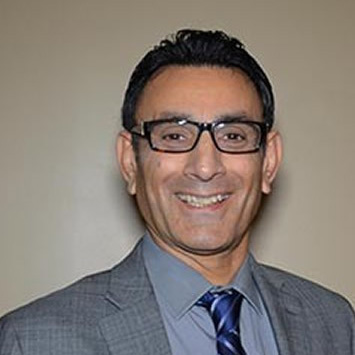
MD, Psychiatrist
Dr. Vahid Osman, MD is a psychiatry specialist in Indianapolis, IN.
Dr. Osman completed a residency at Austin State Hospital. He has over 32 years of experience in Psychiatry & Behavioral Health. He is board certified by the American Board of Psychiatry and Neurology.