When facing alcohol addiction, taking immediate action can be life-saving. At First City Recovery Center, we streamline the admission process so you can enter treatment as quickly as possible. This guide walks you through each step—from contacting admissions to settling in on your first day.
Key Takeaways
- Immediate contact with First City Recovery Center ensures fast, safe admission into alcohol rehab, even within 24 hours.
- Insurance verification, medical assessment, and personalized treatment planning make the process seamless and tailored to your needs.
- Preparing mentally, packing essentials, and understanding what to expect during your first day improves comfort, safety, and engagement in rehab.
What is Alcohol Rehab?
Question: What is Alcohol Rehab?
Answer: Alcohol rehab is a structured, medically supervised program designed to help individuals stop drinking, manage withdrawal symptoms, and address the underlying causes of alcohol use disorder. Alcohol rehab programs typically combine medical care, counseling, therapy, and support services to promote long-term recovery. Rehab can be provided in various levels of care—including inpatient, outpatient, and residential settings—based on the severity of the addiction, individual health needs, and personal circumstances. The goal is not only to achieve sobriety but also to equip clients with coping strategies, relapse-prevention tools, and ongoing support to sustain long-term recovery.
Step 1: Call or Message Our Admissions Team
Your journey begins the moment you reach out. Our admissions specialists are available 24/7 to answer questions, assess your situation, and guide you through next steps.
During this call, you will:
- Discuss your current alcohol use and health status
- Identify any immediate medical needs
- Receive guidance on which program level (inpatient, outpatient, or residential) is best for you
Call now — admissions specialists are available 24 hours a day.
Step 2: Verify Insurance and Complete Your Assessment
Insurance verification is crucial to understanding your coverage and out-of-pocket costs. Our team can quickly review your benefits and determine which treatment options are available.
Next, a comprehensive assessment evaluates:
- Physical health and medical history
- Mental health conditions or co-occurring disorders
- Severity of alcohol dependence
This ensures your treatment plan is safe, effective, and tailored to your needs.
Step 3: Pack Essentials and Plan Transportation
Once your admission is scheduled, prepare for a smooth transition by packing important items:
- Comfortable clothing and personal hygiene items
- Any necessary medications (with prescriptions)
- Identification and insurance information
Arrange transportation ahead of time to avoid stress, whether via a trusted friend, family member, or professional service.
What Happens When You Arrive
Upon arrival at First City Recovery, Kokomo:
- You’ll complete a medical evaluation and a vitals check
- Begin any medically necessary detox or stabilization
- Meet your care team and orientation staff
- Settle into your room and start acclimating to the treatment environment
Our team ensures your first day is structured, safe, and supportive, reducing anxiety and providing clear expectations for your stay.
Preparing Mentally and Emotionally for Rehab
Entering rehab can feel overwhelming. Preparing mentally can ease this transition:
- Set realistic recovery goals for yourself
- Use deep-breathing or mindfulness techniques to manage anxiety
- Accept support from counselors and peers from the beginning
Being mentally prepared increases engagement in therapy and strengthens your commitment to recovery.
What to Expect During Your First 24 Hours in Rehab
The first day is critical for setting the tone of your treatment. Expect:
- Comprehensive medical and psychological assessments
- Initiation of detox or stabilization medications if needed
- Orientation to daily routines, therapy schedules, and facility policies
- Initial meetings with counselors to create a personalized treatment plan
You’ll be closely monitored to ensure safety and comfort during this transitional period.
Start your first 24 hours with a team that prioritizes your safety—call today.
Tips for a Smooth Transition from Admission to Treatment
Adjusting to rehab is easier when you follow practical strategies:
- Be open and honest with counselors about your challenges and needs
- Follow daily schedules and attend all therapy sessions
- Engage with peers and participate in group activities
- Ask questions whenever unclear about treatments or policies
These steps help you build momentum and fully immerse yourself in the recovery process.
At First City Recovery in Kokomo, Indiana, our goal is to make the admission process fast, safe, and supportive. Whether you need immediate detox, inpatient care, or outpatient services, we are ready to help you take the first step toward lasting recovery.
Call now — admissions specialists are available 24 hours a day to help you start treatment immediately.
FAQs
1. How quickly can I be admitted to alcohol rehab?
Admission can often happen within 24 hours, especially if you contact the admissions team directly and complete your initial assessment promptly.
2. What information do I need to provide during the admissions process?
You’ll typically provide personal details, medical history, insurance information, and an overview of your alcohol use. This helps the team determine the right level of care.
3. Can I enter rehab without insurance?
Yes. Many facilities, including First City Recovery Center, offer affordable options, financing, or sliding-scale payment plans for those without insurance.
4. What should I bring when entering rehab?
Essentials usually include personal hygiene items, comfortable clothing, important documents (ID, insurance card), and any prescribed medications. Avoid valuables or non-essential electronics.
5. What happens after I arrive at rehab?
Upon arrival, you’ll undergo a medical evaluation, meet your care team, and begin your personalized treatment plan. Staff will monitor your safety, manage withdrawal if needed, and guide you into therapy and recovery programming.
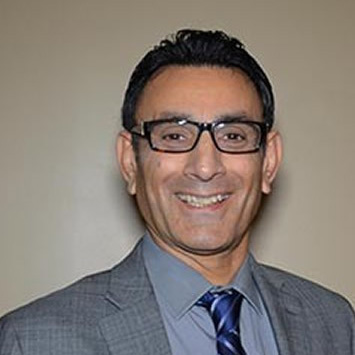
MD, Psychiatrist
Dr. Vahid Osman, MD is a psychiatry specialist in Indianapolis, IN.
Dr. Osman completed a residency at Austin State Hospital. He has over 32 years of experience in Psychiatry & Behavioral Health. He is board certified by the American Board of Psychiatry and Neurology.