Choosing to begin alcohol detox is a life-changing decision—and one you shouldn’t face alone. At First City Recovery Center, our medically supervised detox program is designed to keep you safe, stabilize withdrawal symptoms, and prepare you for the next stage of treatment with confidence.
Below is a clear, step-by-step guide to what you can expect when you start alcohol detox with us.
Key Takeaways
- Medically supervised detox is the safest way to withdraw from alcohol, preventing dangerous complications like seizures and delirium tremens.
- First City Recovery Center uses evidence-based medications and 24/7 monitoring to keep clients stable, comfortable, and supported throughout detox.
- Detox is only the first step—transitioning into inpatient treatment strengthens long-term recovery, providing therapy, structure, and relapse-prevention tools.
What is Alcohol Detox?
Question: What is Alcohol Detox?
Answer: Alcohol detox is the medically supervised process of clearing alcohol from the body while managing withdrawal symptoms safely. When someone stops drinking after prolonged or heavy use, the brain—which has adapted to alcohol—goes into a state of imbalance. This can trigger symptoms ranging from anxiety and shaking to severe complications like seizures or delirium tremens.
Detox provides structured medical care, monitoring, and medications to stabilize the body, reduce risks, and prepare the individual for ongoing treatment. It’s the critical first step toward recovery, ensuring withdrawal happens in a controlled and supportive environment.
Why Supervised Detox is the Safest First Step
Alcohol withdrawal can range from mild discomfort to life-threatening complications. That’s why medically supervised detox is not just recommended—it’s critical.
At First City Recovery Kokomo, supervised detox offers:
- 24/7 medical monitoring to watch for dangerous symptoms such as seizures, hallucinations, and dehydration.
- Rapid medical response if symptoms escalate.
- Stabilization support that allows your body to safely adjust without alcohol.
- Emotional support from licensed clinicians who understand the difficulty of early withdrawal.
Detoxing at home is never safe. Alcohol withdrawal can become severe without warning. Our team ensures you remain protected, comfortable, and supported from the moment you arrive.
Ready to detox safely? Call now to speak with an admissions counselor today.
Medications Used During Alcohol Withdrawal
Withdrawal symptoms can be intense, but our medical team uses evidence-based medications to reduce discomfort and prevent complications.
You may receive medications such as:
- Benzodiazepines are used to reduce the risk of seizures and stabilize the nervous system.
- Anticonvulsants for individuals with a history of severe withdrawal.
- Beta-blockers or blood pressure medication to manage heart rate and hypertension.
- Vitamins and nutritional therapy (thiamine, folic acid, magnesium) to repair alcohol-related deficiencies.
- Sleep and anxiety medications, when appropriate to stabilize mood and rest.
These medications are administered by licensed medical professionals who tailor dosing to your exact needs, ensuring withdrawal is as safe and comfortable as possible.
Speak with our admissions team to learn what detox medications may be right for you.
What Happens During Your First 24 Hours in Alcohol Detox
The first day of detox is often the most intimidating, but it’s also when you receive the most support. Upon arrival at First City Recovery, Kokomo, Indiana, you will complete a full medical evaluation, meet your care team, and settle into your detox room.
Your clinical team will review your alcohol use history, check your vital signs, and begin a personalized withdrawal management plan tailored to your symptoms and health needs.
During the first several hours, medications may be started to prevent dangerous withdrawal symptoms. You’ll be monitored closely to ensure your safety, comfort, and overall stability.
Start your first 24 hours with a team that puts your safety first. Call today.
Understanding Alcohol Withdrawal Symptoms
Alcohol withdrawal affects everyone differently. Symptoms can begin as early as 6–12 hours after your last drink and may include:
- Anxiety, sweating, or nausea
- Tremors or sleep disturbances
- Elevated heart rate or blood pressure
- In severe cases: seizures or delirium tremens (DTs)
At First City Recovery Center, we don’t wait for symptoms to escalate—we prevent them. Your medical team continually adjusts medications and comfort interventions to keep withdrawal controlled, safe, and predictable.
Not sure what withdrawal will feel like? Call now for a confidential detox assessment.
How We Create a Supportive Environment for Recovery
A safe space matters just as much as medical care. That’s why our detox environment is intentionally designed to help you calm your mind and focus entirely on healing.
Our supportive environment includes:
- Private, restful rooms
- A compassionate team trained in trauma-informed care
- Reduced stimulation to ease anxiety
- Encouragement and guidance during difficult moments
- A structured, predictable routine that reduces stress
Healing happens best when you feel supported, heard, and cared for—and that’s exactly what we provide every single day at First City Recovery Center.
How Our Team Manages Comfort and Safety
Detox doesn’t have to be overwhelming. Our approach focuses on two pillars: comfort and safety.
Here’s how we support you around the clock:
1. Personalized Withdrawal Management
Your symptoms, medical history, and alcohol use patterns determine your detox plan. Every step is customized.
2. 24/7 Medical Care
Nurses and physicians monitor vitals, adjust medication, and ensure complications are prevented.
3. Emotional and Psychological Support
Detox can be mentally challenging. Our counselors help you stay grounded, reassured, and supported.
4. Comfortable Environment
You’ll detox in a private, calm, therapeutic setting that minimizes stress and promotes healing.
5. Nutrition & Hydration Support
Proper hydration and balanced meals help restore your physical strength.
With the right team behind you, the process becomes manageable—and the fear of withdrawal begins to fade.
Transitioning From Detox to Inpatient Care
Detox is only the beginning. Once your body is stabilized, the real healing begins in treatment.
After detox, you smoothly transition into:
- Residential (Inpatient) Treatment
Structured therapy, daily clinical support, and relapse-prevention training. - Individual & Group Counseling
Address trauma, triggers, and the root causes of addiction. - Dual Diagnosis Support
For those with anxiety, depression, trauma, or other mental health conditions. - Skill-Building & Relapse Prevention
Learn coping tools that keep you strong long after treatment. - Personalized Continuing-Care Planning
Your team ensures you have a long-term plan for success after leaving inpatient care.
Detox prepares your body. Treatment prepares your mind and future. Together, they give you the foundation for long-term recovery.
Take the next step. Call now to speak with an admissions counselor about starting detox today.
FAQs
1. How long does alcohol detox usually take at First City Recovery Center?
Most clients complete detox in 3–7 days, depending on the severity of their withdrawal, their medical history, and how long they’ve been drinking. Your care team continually evaluates your progress to keep you safe and comfortable.
2. Will I receive medication during alcohol withdrawal?
Yes. Our medical team uses evidence-based medications—such as benzodiazepines, beta-blockers, and anticonvulsants—to reduce withdrawal symptoms, lower the risk of complications, and stabilize your body during detox.
3. Is alcohol detox painful or dangerous?
Alcohol withdrawal can be dangerous when attempted alone, which is why supervised detox is essential. At First City Recovery Center, clinicians monitor you 24/7, manage symptoms quickly, and ensure your safety throughout the process.
4. What happens after I finish detox?
Once detox is complete, your care team will help transition you to the next level of treatment, such as inpatient rehab, partial hospitalization, or intensive outpatient programming—based on your recovery needs and goals.
5. Can I bring personal items or contact family during detox?
Yes, within guidelines. You’ll receive a list of approved items before admission. Family communication is allowed in designated periods so you can stay supported without disrupting care.
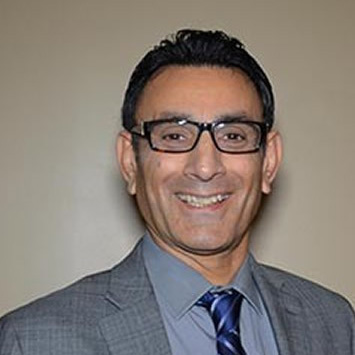
MD, Psychiatrist
Dr. Vahid Osman, MD is a psychiatry specialist in Indianapolis, IN.
Dr. Osman completed a residency at Austin State Hospital. He has over 32 years of experience in Psychiatry & Behavioral Health. He is board certified by the American Board of Psychiatry and Neurology.