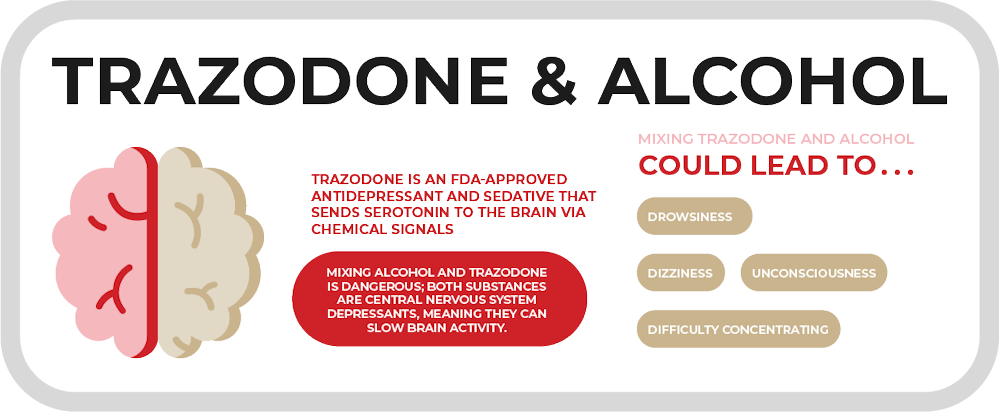
Mixing trazodone and alcohol can be extremely dangerous. Both substances affect the central nervous system, and when taken together, their effects are amplified. This combination can increase drowsiness, impair coordination and judgment, raise the risk of overdose, and in severe cases, lead to death.
Long-term misuse may also increase the risk of dependency and addiction. Addiction is a chronic disease that affects people from all walks of life and requires compassionate, professional intervention to achieve lasting recovery.
Understanding how trazodone and alcohol work individually—and why combining them is risky—can help prevent serious health consequences. Individuals with substance use disorders need to be treated with evidence-based care that addresses both the physical and psychological aspects of this disease.
Key Takeaways
- Mixing trazodone and alcohol is dangerous because both depress the central nervous system, increasing the risk of severe sedation, overdose, and death.
- Combining these substances can worsen mental health symptoms, impair judgment, and lead to physical dependence and withdrawal complications.
- Safe recovery often requires medical supervision, professional treatment, and individualized care to address both medication misuse and alcohol use disorder.
Introduction to the Risks
At First City Recovery Center, a leading city recovery center in Kokomo, Indiana, we recognize the serious risks that come with substance use disorders and co-occurring mental health conditions. Struggling with addiction can impact every aspect of your life, from your physical health to your emotional well-being.
Conditions like post-traumatic stress disorder, depression, and anxiety often go hand-in-hand with substance use, making recovery even more challenging. That’s why our addiction treatment programs are designed to provide individualized treatment programs tailored to each client’s unique needs.
By addressing both substance use and mental health, we help clients achieve long-term recovery and reclaim a healthier, more fulfilling life. If you or a loved one is facing these challenges, seeking help from a trusted city recovery center like First City Recovery Center is the first step toward lasting recovery.
What is Trazodone?
Question: What is Trazodone?
Answer: Trazodone is an FDA-approved antidepressant that is primarily used to treat major depressive disorder (MDD). Its clinical effectiveness in treating depression is comparable to that of selective serotonin reuptake inhibitors (SSRIs) and tricyclic antidepressants (TCAs). Trazodone is also sometimes prescribed as an adjunct treatment for conditions such as bipolar disorder, schizophrenia, post-traumatic stress disorder (PTSD), and symptoms related to alcohol dependence. In addition to its approved uses, trazodone is commonly used off-label to manage insomnia and anxiety.
At lower doses, trazodone’s effect on histamine and alpha-1 adrenergic receptors produces a calming, sedative effect that aids sleep. Trazodone is not classified as a controlled substance and has a low potential for addiction compared to traditional sleep medications. It antagonizes specific serotonin receptors (5-HT2A and 5-HT2C), which helps avoid some common side effects of other antidepressants. However, trazodone carries an FDA boxed warning regarding an increased risk of suicidal thoughts and behaviors in children, teenagers, and young adults.
Trazodone is often prescribed alongside other medications rather than used as a standalone antidepressant, as newer treatments are typically more effective for major depressive disorder.
Why is Trazodone Abused?
Trazodone, like many other substances, has the potential to be abused. When a person abuses any kind of drug or alcohol, chemicals are sent to the pleasure center of the brain; when this happens, the body is rewarded physically and psychologically in an intense manner. Once this happens, a person starts to crave a substance even more than they had before. As time goes on, they start to crave the substance more and more. Eventually, this could lead to dependency, then an addiction.
How Does Trazodone Work?
Trazodone works by affecting neurotransmitters in the brain, particularly serotonin. It increases the availability of serotonin between nerve cells, helping regulate mood and promote relaxation.
While many antidepressants aim to increase serotonin levels to treat depression, trazodone is now more commonly prescribed for conditions such as:
- Dry mouth
- Vertigo
- Dizziness
- Impaired coordination
- Confusion
- Exhaustion
- Fatigue
- Drowsiness
- Headaches
- Nausea
- Vomiting
- Constipation
- Suicidal thoughts
- Hallucinations
- Breathing problems
- Heart issues
- Bleeding
- Sudden death
- Drop in sodium levels
- Uncomfortable erections
- Long-lasting erections
- Lack of motor skills
Side Effects of Trazodone
Trazodone may cause side effects, some of which can become serious—especially when combined with alcohol. Below are common symptoms and side effects of trazodone:
- Drowsiness and fatigue
- Dizziness or vertigo
- Confusion and impaired coordination
- Dry mouth
- Headaches
- Nausea, vomiting, or constipation
- Mood changes
- Hallucinations
- Breathing difficulties
- Heart complications
- Low sodium levels
- Suicidal thoughts
- Prolonged or painful erections (priapism)
If any severe or unusual symptoms occur, medical attention should be sought immediately.
What Is Trazodone Abuse?
Trazodone abuse occurs when the medication is taken in higher doses than prescribed or mixed with other substances to enhance its effects. While trazodone does not typically produce euphoria when taken as directed, misuse—especially alongside alcohol—can increase sedation and health risks.
Statistically, trazodone is less commonly abused than substances like opioids, benzodiazepines, or stimulants. However, misuse and overdose have been documented, particularly among individuals with prior antidepressant or substance abuse histories.
How Does Alcohol Affect the Body?
Alcohol is a central nervous system depressant that slows brain function and impairs motor skills. It affects both excitatory and inhibitory neurotransmitters, leading to sedation, reduced judgment, and loss of coordination.
Common effects of alcohol include:
- Slowed reaction time
- Poor coordination and balance
- Blurred vision
- Reduced judgment
- Fatigue and drowsiness
- Nausea and vomiting
Alcohol is one of the most widely used—and abused—substances in the United States, with millions affected by alcohol-related disorders.
What Is Alcohol Use Disorder?
Alcohol use disorder (AUD), commonly referred to as alcoholism, is a chronic condition marked by an inability to control alcohol consumption despite negative consequences. Individuals with AUD often experience cravings, tolerance, and withdrawal symptoms when alcohol use stops.
Repeated alcohol use overstimulates the brain’s reward system, increasing dopamine release. Over time, the brain becomes dependent on alcohol to feel pleasure or function normally, leading to escalating use and significant physical, emotional, and social harm.
Is Mixing Trazodone and Alcohol Dangerous?
Yes—mixing trazodone and alcohol is dangerous. Both substances depress the central nervous system, and when combined, they intensify each other’s effects. This can result in:
- Extreme drowsiness or sedation
- Impaired breathing
- Increased intoxication
- Heightened risk of overdose
- Worsening depression, anxiety, or panic attacks
- Loss of consciousness or death
- A sense of danger or loss of control
Long-term use of both substances together also increases the risk of physical dependence and withdrawal complications.
Withdrawal Symptoms From Trazodone and Alcohol
Stopping trazodone or alcohol after prolonged use can lead to withdrawal symptoms, including:
- Anxiety and depression
- Mood swings and agitation
- Insomnia
- Nausea and vomiting
In severe cases, alcohol withdrawal can escalate into acute alcohol withdrawal syndrome, which may cause:
- Hallucinations
- Seizures
- Heart palpitations
- Delirium tremens (DTs)
- Life-threatening complications
Because withdrawal can be unpredictable and dangerous, medical supervision is strongly recommended.
Medical Detox and Stabilization
Medical detox is a crucial first step in overcoming substance use disorders. At First City Recovery Center in Kokomo, Indiana, our medical detox and alcohol rehab programs and services are delivered in a safe, supportive environment where your health and comfort are our top priorities.
Our experienced medical team closely monitors clients as they manage withdrawal symptoms, ensuring a smooth and secure detox process. Stabilization is about more than just physical health—it’s also about preparing your mind and body for the next phase of addiction treatment. With our individualized treatment programs, each client receives a care plan tailored to their specific needs, setting the foundation for successful recovery.
At First City Recovery in Kokomo, we believe that a supportive environment and expert care are essential for overcoming substance use and building a healthier future.
Outpatient Treatment Options
First City Recovery Center offers a variety of outpatient treatment options to support clients at every stage of their recovery journey. Our intensive outpatient programs (IOP) and partial hospitalization programs (PHP) provide the flexibility to receive high-quality care while maintaining daily responsibilities.
Through our outpatient services, clients participate in group therapy, individual counseling, and medication management, all designed to foster healing and personal growth.
These alcohol detox programs are ideal for those transitioning from inpatient care or seeking ongoing support to maintain sobriety. At First City Recovery Center, our outpatient treatment options empower clients to continue their recovery with the support, structure, and therapy they need to thrive.
Inpatient Treatment Programs
For clients who need a higher level of care, First City Recovery Center’s inpatient treatment programs offer a structured and supportive environment focused on long term recovery. Our comprehensive inpatient services include medical detox, residential treatment, and sober living options, all designed to help clients focus fully on their recovery.
Each client receives an individualized treatment program developed by our dedicated team of professionals, ensuring that their unique needs are addressed every step of the way. Inpatient treatment provides the stability, support, and structure necessary for clients to overcome addiction and build a strong foundation for a healthier future.
Getting Help for Trazodone and Alcohol Abuse
Recovery from substance use disorder—especially when multiple substances are involved—requires professional care. First City Recovery Center in Kokomo, Indiana, is a facility that offers a full continuum of care for addiction treatment and mental health services. They offer detox and inpatient services, as well as outpatient drug and alcohol treatment, providing comprehensive alcohol treatment as part of their recovery services.
The center features a dual diagnosis program for co-occurring substance use and mental health disorders, and also offers a Primary Mental Health Program for individuals with primary mental health diagnoses. Common mental health diagnoses treated at the center include anxiety, depression, bipolar disorder, and PTSD.
Case management services are provided to help clients navigate the next steps after treatment. Special programs are available for eating disorders and domestic violence.
The goal is to help clients become healthy members of their communities, supported by a visible recovery alumni program for ongoing support after treatment. First City Recovery Center offers a supportive and safe environment for clients to begin their recovery journey. Medical detox, therapy, and structured treatment programs provide the safest path to recovery and long-term stability.
First City Recovery Can Help
At First City Recovery Center, we offer individualized, evidence-based addiction treatment designed to address both physical dependence and underlying mental health concerns. Our patients are active participants in their recovery, and every journey is unique—treatment should reflect that.
When life feels overwhelming or unmanageable, it can be hard to see a way forward. Our center provides a sense of hope and support, helping patients regain emotional balance and a sense of community.
If you or a loved one is struggling with trazodone and alcohol misuse, help is available. Recovery can begin today—with the right support, healing is possible.

MD, Psychiatrist
Dr. Vahid Osman, MD is a psychiatry specialist in Indianapolis, IN.
Dr. Osman completed a residency at Austin State Hospital. He has over 32 years of experience in Psychiatry & Behavioral Health. He is board certified by the American Board of Psychiatry and Neurology.