Veterans Day is more than a date on the calendar—it’s a moment to pause, reflect, and honor the men and women who have served our country. While we celebrate their courage and dedication, it’s equally important to acknowledge the challenges many veterans face after returning to civilian life. Among the most significant of these challenges are mental health struggles and substance use disorders.
Addiction, also known as substance use disorder (SUD), is a chronic disease of the brain that involves compulsive drug seeking and use despite harmful consequences. Recognizing addiction as a disease helps reduce stigma and emphasizes the need for medical and supportive approaches to treatment.
Recognizing the connection between military service and addiction allows us to better support veterans not just on Veterans Day, but every day.
Key Takeaways
- Veterans face higher risks of addiction due to trauma, stress, and service-related injuries.
- PTSD and substance use disorders frequently occur together and require integrated treatment.
- Reducing stigma and increasing access to care are essential for supporting veteran recovery.
What is Veterans Day?
Question: What is Veterans Day?
Answer: Veterans Day is a U.S. federal holiday observed annually on November 11 to honor all military veterans who have served in the armed forces. It originated as Armistice Day, commemorating the end of World War I on November 11, 1918. In 1954, the holiday was renamed Veterans Day to recognize veterans of all wars and periods of service.
Veterans Day is both a celebration of service and a reminder of the responsibility to support veterans’ long-term physical, mental, and emotional well-being.
The Sacrifices Veterans Carry Beyond Service
Military service often involves prolonged stress, exposure to trauma, physical injury, and separation from loved ones. While service may end, the impact often does not. Many veterans live with chronic pain, disabilities, or psychological trauma long after discharge.
Transitioning to civilian life can be overwhelming. Veterans may struggle with employment, relationships, or feeling understood outside military culture. These challenges can significantly disrupt a veteran’s daily life, making it difficult to manage routines and responsibilities.
These stressors increase vulnerability to mental health conditions and substance use disorders, especially when support systems are limited. Addiction can also lead to deteriorating physical health, legal issues from substance-related arrests, and job loss.
Substance Abuse Among Veterans: A Widespread Concern
Substance use disorders are more common among veterans than in the general population. Approximately 11% of veterans seeking care through the Veterans Health Administration (VHA) report substance use disorders, and estimates suggest one in five veterans struggles with substance misuse at some point.
Alcohol is the most commonly misused substance, followed by prescription pain medications and illicit drugs. Many veterans initially use substances to cope with pain, stress, or trauma—but what starts as relief can escalate into dependence.
The Strong Link Between PTSD and Addiction
Post-traumatic stress disorder (PTSD) plays a major role in veteran addiction. Research shows that over 60% of veterans with substance use disorders also meet criteria for PTSD.
PTSD symptoms—such as flashbacks, nightmares, hypervigilance, and emotional numbness—can be overwhelming. Substances may temporarily dull these symptoms, but long-term use often worsens both PTSD and addiction, creating a cycle that’s difficult to break without professional care.
How Military Service Increases Addiction Risk
Several aspects of military service contribute to higher addiction risk:
- Chronic stress and combat exposure
- Traumatic brain injuries (TBIs) affect impulse control and emotional regulation
- Physical injuries requiring long-term pain management
- Sudden loss of structure and community after discharge
Without adequate support, these factors can lead veterans to self-medicate with alcohol or drugs.
Commonly Misused Substances Among Veterans
Veterans with substance use disorders most often struggle with:
- Alcohol, used to cope with stress, isolation, or PTSD
- Prescription opioids, initially prescribed for pain management
- Illicit drugs, sometimes replacing unavailable prescriptions
- Nicotine and tobacco are often used to manage anxiety
Understanding these patterns helps shape effective prevention and treatment strategies.
Barriers That Prevent Veterans From Seeking Help
Despite available resources, many veterans delay or avoid treatment due to:
- Stigma around mental health and addiction
- Military culture emphasizes self-reliance
- Limited access to care in certain regions
- Lack of awareness that help is available
It is essential to recognize that clients seeking help for addiction have ongoing needs that require comprehensive, personalized care throughout their recovery journey.
Reducing stigma and improving education are critical steps toward early intervention.
How the VA Supports Veterans With Addiction
The Department of Veterans Affairs (VA) provides comprehensive addiction and mental health services, including:
- Medication-assisted treatment (MAT)
- Individual and group therapy
- Integrated treatment for PTSD and substance use
- Relapse prevention programs
- Specialized services for homeless veterans
Programs like the VA’s “Make the Connection” campaign help normalize seeking help by sharing real veteran recovery stories.
Admissions and Insurance: Navigating the Path to Treatment
At First City Recovery Center, located at 317 W Jefferson St in Kokomo, Indiana, we understand that taking the first step toward addiction treatment or mental health treatment can feel overwhelming—especially when you’re also facing mental health challenges or substance abuse concerns. That’s why our dedicated admissions team is here to guide you every step of the way, making the process as smooth and stress-free as possible.
As a leading city recovery center in Kokomo, Indiana, First City Recovery Center offers a comprehensive approach to care, with multiple levels of support tailored to your individual needs.
Whether you require residential treatment, an intensive outpatient program, or outpatient services, our treatment provider team will work closely with you to develop a personalized plan that addresses your unique situation—including co-occurring mental health conditions like bipolar disorder, eating disorders, or the effects of domestic violence.
Our evidence-based care includes cognitive behavioral therapy, medical detox to help manage withdrawal symptoms, and partial hospitalization for those who need a more structured environment. We believe that lasting recovery is possible when treatment is rooted in proven methods and delivered by a compassionate, highly trained care team.
Navigating insurance and admissions shouldn’t be a barrier to getting help. As a trusted rehab center in Kokomo, Indiana, we accept a variety of insurance plans to make our services accessible to as many people as possible. Our admissions coordinator will help you verify your insurance coverage, explain treatment costs, and answer any questions you may have—so you can focus on your recovery, not paperwork.
At First City Recovery Center, we know that mental health issues and substance use disorders affect not just the individual, but their family members as well. That’s why we offer family programs and support services designed to educate and involve loved ones, strengthening your support system and improving treatment outcomes.
Our care team—including our admissions coordinator, medical director, and other professionals—works together to address your concerns and ensure you receive the highest quality care at every stage of your journey.
If you or someone you care about is struggling with mental health conditions, substance abuse, or addiction, don’t wait to seek help. Contact First City Recovery in Kokomo today to learn more about our treatment programs, services, and how we can help you or your loved one achieve lasting recovery. Our team is here to support you in reaching your full potential and building a healthier, more fulfilling life. Let us help you navigate the path to recovery—because you deserve quality care and a brighter future.
Community and Family Support in Recovery
Recovery doesn’t happen in isolation. Families, friends, and communities play a vital role by:
- Encouraging treatment without judgment
- Learning about addiction and PTSD
- Offering consistent emotional support
- Supporting employment and housing stability
Strong support systems significantly improve recovery outcomes.
Honoring Veterans Beyond Veterans Day
True appreciation extends beyond one day a year. You can support veterans by:
- Volunteering with veteran-focused organizations
- Donating to mental health and addiction programs
- Advocating for improved veteran healthcare access
- Participating in community outreach initiatives
- Supporting or participating in alumni programs like First City Recovery Center, which provide ongoing support and community engagement for veterans in recovery
Honoring veterans means recognizing their ongoing needs and helping ensure they receive the care they deserve.
Support Is Available
If you or someone you love is a veteran struggling with addiction, help is available. First City Recovery in Kokomo, Indiana, is a leading facility located in Indiana, offering compassionate, evidence-based treatment designed to support long-term healing. The facility features home-like, communal accommodations with shared lounges, cozy bedrooms, and provides meals daily as part of its amenities.
First City Recovery Center offers a full continuum of care, including medical detox with 24/7 supervision, inpatient and outpatient treatment for substance use and mental health disorders, residential care with structured programs, and sober living services. Patients benefit from biopsychosocial assessments to determine the best level of care, and the center provides intensive outpatient programs (IOP) with therapy and skills-building activities, as well as flexible outpatient treatment that does not require an overnight stay in the facility. Telehealth options are available for continued access to care after discharge.
The facility emphasizes a supportive environment where patients can connect with peers throughout their recovery process. Case management services help clients navigate next steps after treatment, and the program offers monthly gatherings for ongoing support. Specialized programs, such as the post-traumatic growth program for veterans and other clients, are also available.
First City Recovery Center is accredited by The Joint Commission, one of the most trusted names in healthcare. This accreditation demonstrates the facility’s commitment to safety, high treatment quality, and rigorous staff training standards. Insurance accepted includes Cigna, Aetna, BCBS, United Healthcare, and Optum, making care accessible to many.
Reach out today—because honoring our heroes means supporting their recovery.
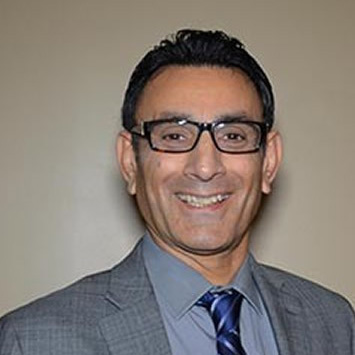
MD, Psychiatrist
Dr. Vahid Osman, MD is a psychiatry specialist in Indianapolis, IN.
Dr. Osman completed a residency at Austin State Hospital. He has over 32 years of experience in Psychiatry & Behavioral Health. He is board certified by the American Board of Psychiatry and Neurology.