Feeling overwhelmed, anxious, or emotionally drained is a common experience—especially for individuals struggling with substance use or mental health challenges. Therapy addresses a wide range of mental health conditions and substance use disorders, providing tailored support for those in need. Common mental health diagnoses treated include anxiety, depression, bipolar disorder, post-traumatic stress disorder (PTSD), and schizophrenia.
When emotions feel too heavy to manage alone, therapy can provide structure, guidance, and relief. Whether you’re navigating addiction, stress, trauma, or life transitions, therapy plays a critical role in healing and long-term recovery. Substance use disorders can occur simultaneously with mental health conditions, known as co-occurring disorders.
Understanding the purpose of therapy can help you decide if it’s the right step for you or a loved one—and what meaningful progress can look like along the way. Therapy can also lead to physical health gains, such as improved sleep and lower blood pressure, and helps build long-term resilience to future adversities.
Key Takeaways
- Therapy supports both healing and growth. It helps individuals manage emotional distress, process past experiences, and build skills for healthier living.
- In addiction recovery, therapy addresses root causes—not just symptoms. Effective therapy focuses on triggers, mental health, behavior patterns, and relapse prevention.
- Personalized therapy leads to lasting change. With the right therapist and approach, therapy can improve self-awareness, relationships, confidence, and long-term recovery outcomes.
What is Therapy?
Question: What is Therapy?
Answer: Therapy is a structured, clinical process involving licensed professionals that helps individuals understand their thoughts, emotions, and behaviors while developing healthier coping strategies. It is commonly used to treat mental health conditions, addiction, trauma, and emotional distress.
In addiction recovery, therapy addresses both the psychological roots of substance use and the skills needed for long-term sobriety, personal growth, and emotional resilience. Therapy is provided in specialized treatment centers and facilities, where patients receive comprehensive care.
Therapy addresses both drug and alcohol use disorders, including alcohol use disorder, and alcohol treatment is a key component of comprehensive care. Medication-assisted treatment may be used to support recovery from substance use disorders involving drugs or alcohol.
Educational support and education are also provided as part of holistic treatment programs to enhance understanding and aid recovery. Individualized treatment programs are provided to meet the unique needs of patients.
First City Recovery Center offers both inpatient and outpatient drug and alcohol treatment, as well as a full continuum of care for addiction and mental health services. They also provide treatment for pornography addiction, which can disrupt daily life and relationships.
The American Psychological Association (APA) offers directories to help patients find therapists by modality, specialty, and insurance.
Types of Therapy
At First City Recovery Center, clients have access to a wide range of therapy options designed to support every stage of their recovery journey. The center’s approach to mental health treatment is rooted in the belief that no two individuals are alike, and that healing is most effective when care is tailored to each person’s unique needs.
Clients can participate in individual therapy, where they work one-on-one with a licensed therapist to explore personal challenges, set goals, and develop coping strategies. Group therapy is also a cornerstone of the city recovery center experience, providing a supportive environment where clients can share experiences, build connections, and learn from others facing similar struggles.
Family therapy is available to help rebuild trust and improve communication among loved ones, recognizing that addiction and mental health challenges often impact the entire family system. For those who have experienced trauma, First City Recovery Center offers trauma-specific therapy, including evidence-based modalities like cognitive behavioral therapy (CBT), dialectical behavior therapy (DBT), and eye movement desensitization and reprocessing (EMDR).
To promote holistic healing, the center also provides creative therapies such as art therapy, music therapy, and recreational therapy. These programs encourage self-expression, stress relief, and personal growth, supporting clients in their journey toward lasting recovery. By offering a diverse array of therapeutic options, First City Recovery Center ensures that every client receives the individualized support they need to achieve meaningful progress in both mental health and addiction recovery.
The Goal of Therapy
At its core, the goal of therapy is to improve overall well-being by helping individuals understand themselves better, manage emotional challenges, and make positive, lasting changes. Addiction is recognized as a chronic disease that requires ongoing care and support. In addiction recovery, therapy goes beyond symptom management—it helps address the root causes of substance use and supports long-term behavioral change.
Therapy addresses not only substance use but also co-occurring disorders, such as alcohol use disorder and post-traumatic stress disorder (PTSD), recognizing that chronic relapse may require long-term treatment. Comprehensive care for substance use disorders (care for substance use) integrates mental health and substance use treatment across various settings to provide personalized, holistic care.
While therapy approaches vary, most share several foundational goals:
Family involvement is a key component in the treatment process, as addiction is often considered a family disease.
Reducing Emotional Distress
Therapy helps individuals cope with overwhelming emotions such as anxiety, sadness, anger, or guilt. Common symptoms of mental health conditions include excessive worry, panic attacks, and physical tension (often seen in anxiety), as well as fatigue and loss of interest in activities (common in depression). Through guided support, people learn healthier ways to regulate emotions without relying on substances.
Building Healthy Coping Skills
Therapy teaches practical coping strategies to manage stress, cravings, and triggers. It also helps individuals build a renewed sense of self-worth and long-term resilience, equipping them to handle future adversities independently. These may include mindfulness techniques, grounding exercises, emotional regulation skills, and problem-solving tools.
Improving Relationships and Communication
Substance use often strains relationships. Therapy helps rebuild trust, improve communication, and establish healthier boundaries with family, friends, and coworkers.
Increasing Self-Awareness
By exploring thoughts, behaviors, and emotional patterns, therapy enhances self-awareness. This insight empowers individuals to recognize triggers, challenge negative thinking, and make more intentional choices.
Setting and Achieving Personal Goals
Therapy helps individuals identify realistic goals and create step-by-step plans to achieve them—whether related to sobriety, mental health, career growth, or personal fulfillment.
Processing Past Experiences, Trauma, and Post Traumatic Stress Disorder
Therapy provides a safe environment to explore unresolved trauma, grief, or past experiences that may contribute to addiction or emotional distress. Post traumatic stress disorder (PTSD) is a long-term mental health issue caused by disturbing events, with symptoms such as anxiety and flashbacks. Trauma-specific therapy can address childhood trauma that may be at the root of a patient’s current diagnosis.
Strengthening Confidence and Resilience
Through consistent therapeutic work, individuals often experience improved self-esteem, emotional strength, and the ability to navigate life’s challenges without turning to substances.
It’s important to remember that therapy goals are individualized. A therapist works collaboratively with each person to identify priorities and adjust treatment as progress unfolds.
Therapy vs. Psychotherapy: What’s the Difference?
While often used interchangeably, therapy and psychotherapy are not exactly the same.
Therapy is a broad term encompassing many approaches designed to improve mental health and emotional well-being. This may include individual therapy, group therapy, family therapy, or behavioral therapy.
Psychotherapy is a more specific form of therapy focused on understanding how thoughts, emotions, and behaviors interact. It is commonly used to treat mental health conditions such as depression, anxiety, trauma, and substance use disorders. Psychotherapy often emphasizes three key goals: response, remission, and recovery—making it especially effective in addiction treatment.
Both therapy and psychotherapy can be highly beneficial, and many treatment programs incorporate elements of both.
How Mental Health Treatment and Therapy Work
Therapy begins with finding a qualified professional you feel comfortable speaking with. During the initial session, the therapist gathers information about your background, challenges, and goals. First City Recovery Center uses biopsychosocial assessments to determine the appropriate level of care for clients. Together, you’ll develop a personalized treatment plan.
Ongoing therapy sessions may occur weekly or biweekly, depending on individual needs. Therapy may include 1-on-1 counseling, which allows patients to work through difficult emotions and behavioral challenges in a private setting.
Medication-assisted treatment can enhance recovery by relieving withdrawal symptoms and helping patients focus on their recovery. During these sessions, you’ll discuss current challenges, emotional patterns, and progress. Therapists may introduce exercises, coping tools, or behavioral strategies to practice between sessions.
The length of therapy varies. Some individuals benefit from short-term support, while others—especially those addressing addiction or chronic mental health conditions—may require longer-term care. Therapy is most effective when paired with consistency, honesty, and commitment.
Levels of Care
First City Recovery Center is dedicated to providing a full continuum of care, ensuring that clients receive the right level of support at every stage of their recovery. The journey often begins with medical detox, where clients are closely monitored by medical professionals as they safely manage withdrawal symptoms and prepare for the next phase of treatment.
Following detox, clients may transition into the residential treatment program, which offers 24/7 care in a structured, supportive environment. Here, individualized treatment programs are developed to address each client’s specific needs, combining group therapy, individual counseling, and holistic activities to foster healing and growth.
For those who require flexibility or are stepping down from a higher level of care, the intensive outpatient program (IOP) provides comprehensive treatment with a schedule that accommodates work, school, or family commitments. Outpatient treatment offers ongoing support and care for clients who have completed more intensive programs, helping them maintain progress and continue building healthy habits.
Throughout every level of care, First City Recovery Center emphasizes the importance of group therapy, individualized treatment, and a supportive community. This full continuum approach is designed to help clients achieve long-term recovery, become healthy members of their communities, and build a foundation for lasting wellness.
When Can Therapy Be Beneficial?
Therapy can be helpful at many stages of life and recovery. It is especially valuable during inpatient or outpatient addiction treatment, as it helps individuals manage symptoms, build emotional stability, and improve quality of life.
Therapy may be beneficial if you are:
- Experiencing anxiety, depression, or emotional distress
- Struggling with addiction or relapse
- Having difficulty with relationships or communication
- Coping with trauma or major life changes
- Feeling stuck, unmotivated, or unsure about the future
- Living with a mental health condition such as bipolar disorder or schizophrenia
Outpatient drug and alcohol treatment is available for those who need flexible care. Outpatient treatment offers flexible therapeutic and medical care without the need to stay overnight. First City Recovery Center offers a Primary Mental Health Program for individuals with mental health diagnoses.
Therapy isn’t only for those in crisis. It can also support personal growth, emotional insight, and long-term well-being.
Aftercare
Recovery doesn’t end when formal treatment is complete. First City Recovery Center understands that ongoing support is essential for clients to achieve long-term recovery and maintain the progress they’ve made. That’s why the center offers a robust aftercare program, tailored to meet the evolving needs of each individual.
Aftercare services include continued access to individual therapy, group therapy, and specialized support groups, ensuring that clients always have a safe space to share challenges and celebrate successes. The Visible Recovery program connects clients with peers and staff for ongoing encouragement, accountability, and connection—key ingredients for sustained recovery.
By focusing on individualized support and care, First City Recovery Center’s aftercare program helps clients navigate life’s ups and downs, reinforcing the skills and strategies learned during treatment. This commitment to long-term support empowers clients to stay on track, build resilience, and thrive in their recovery journey.
How Therapy at First City Recovery Can Help
At First City Recovery in Kokomo, Indiana, therapy is a central component of addiction recovery. Our licensed professionals specialize in substance use and mental health treatment, offering personalized care tailored to each individual’s needs. As part of our comprehensive care, we offer detox and inpatient treatment, as well as outpatient levels of care. The detox process includes intake, stabilization, and treatment phases to ensure safety and comfort.
Medication-assisted treatment may include naloxone buprenorphine combinations, extended-release formulations for longer-lasting effects, and pre-exposure prophylaxis for HIV prevention. We provide case management to help clients navigate the next steps after treatment. Telehealth options and step-down support are available after discharge. Alumni support programs, including monthly gatherings, encourage ongoing connection and accountability.
Through therapy, clients can:
- Understand the underlying causes of addiction
- Learn strategies to manage cravings and triggers
- Build a supportive recovery network
- Strengthen self-esteem and emotional resilience
- Develop a structured recovery and relapse-prevention plan
Our therapeutic services include both individual and group therapy, creating a balanced approach to healing and accountability.
Quality and Trust
At First City Recovery Center, quality and trust are at the heart of everything they do. The center is accredited by the Joint Commission, a testament to its commitment to the highest standards of care in mental health treatment and addiction recovery. Licensed by the state of Indiana, First City Recovery Center employs a team of experienced professionals who are dedicated to providing safe, effective, and compassionate services.
Clients can expect individualized treatment programs that address their unique needs, whether they are seeking help for addiction, mental health challenges, or both. The center’s supportive environment fosters healing and growth, with a focus on helping clients achieve long-term recovery and improved health.
By prioritizing quality, safety, and client-centered care, First City Recovery Center has earned the trust of individuals and families throughout Indiana and beyond. Their dedication to excellence ensures that every client receives the support they need to reclaim their life and build a brighter future.
Insurance and Cost
First City Recovery Center is committed to making high-quality treatment accessible and affordable for all clients. The center accepts a wide range of insurance plans, including private insurance and Medicaid, and their knowledgeable staff is available to help clients navigate the insurance process and determine their coverage.
For those without insurance or who need additional financial support, First City Recovery in Kokomo offers flexible financing options and sliding scale fees. The cost of treatment varies based on the level of care and each client’s individual needs, but the center’s goal is to remove financial barriers so that everyone can access the help they deserve.
By providing clear information and personalized assistance, First City Recovery Center ensures that clients can focus on their recovery—not the cost. Their commitment to affordability and support helps clients take the first step toward long-term recovery with confidence and peace of mind.
Meet Your Therapy Goals at First City Detox
If substance use or mental health challenges are interfering with daily life, help is available. At First City Recovery Center, conveniently located on Jefferson Street, Kokomo, in a quiet, residential area of Kokomo, Indiana, we provide compassionate, evidence-based care to address both the physical and emotional aspects of addiction. Our rehab center is accredited by the Joint Commission, ensuring we meet national standards for safety and quality in patient care. The calm environment supports your recovery process.
Our experienced team is here to support your recovery journey with personalized treatment plans designed for long-term success. Contact First City Recovery today to take the first step toward a healthier, more fulfilling future.

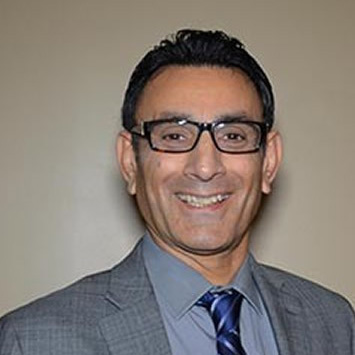
MD, Psychiatrist
Dr. Vahid Osman, MD is a psychiatry specialist in Indianapolis, IN.
Dr. Osman completed a residency at Austin State Hospital. He has over 32 years of experience in Psychiatry & Behavioral Health. He is board certified by the American Board of Psychiatry and Neurology.