
You can recognize an impending crisis on a patient monitor, yet struggle to admit that your own drinking or drug use has moved beyond stress relief. Healthcare professionals face unique challenges when substance use begins affecting their health, relationships, or ability to practice safely. Long shifts, emotional exhaustion, access to medications, and concerns about professional consequences can make asking for help especially difficult.
Rehab for healthcare professionals provides a structured approach to addiction treatment that considers both clinical needs and professional responsibilities. For physicians, nurses, pharmacists, and other licensed medical staff, appropriate care may include a comprehensive assessment, evidence-based treatment, detailed documentation, and coordination with licensing boards or monitoring programs when authorized or required.
First City Recovery Center helps individuals explore treatment options suited to their recovery needs. Seeking help early can provide more opportunities to address substance use before it creates additional personal or professional consequences.
Key Takeaways
- Specialized treatment addresses professional concerns. Rehab for doctors, rehab for nurses, and programs for other medical professionals can consider licensing requirements, workplace responsibilities, confidentiality, and return-to-practice planning.
- Treatment should match clinical needs. Depending on the assessment, care may include medically supervised detox, residential treatment, intensive outpatient services, or ongoing outpatient support.
- Early action can expand available options. Contacting a treatment provider before a workplace incident or formal complaint may help clinicians understand their options and prepare for potential monitoring requirements.
What Is Different About Rehab for Healthcare Professionals?
Question: What Is Different About Rehab for Healthcare Professionals?
Answer: Rehab for healthcare professionals considers the challenges clinicians may face when seeking addiction treatment, including professional licensing, medication access, confidentiality, and possible monitoring agreements. Treatment should be based on an individual assessment and may involve coordination with a physician health program, nurse assistance program, or licensing authority when appropriate. No treatment provider can guarantee a particular licensing outcome, but a well-planned recovery process can help clinicians address their health needs while preparing for possible professional requirements.
Why Healthcare Professionals Face Unique Addiction Risks
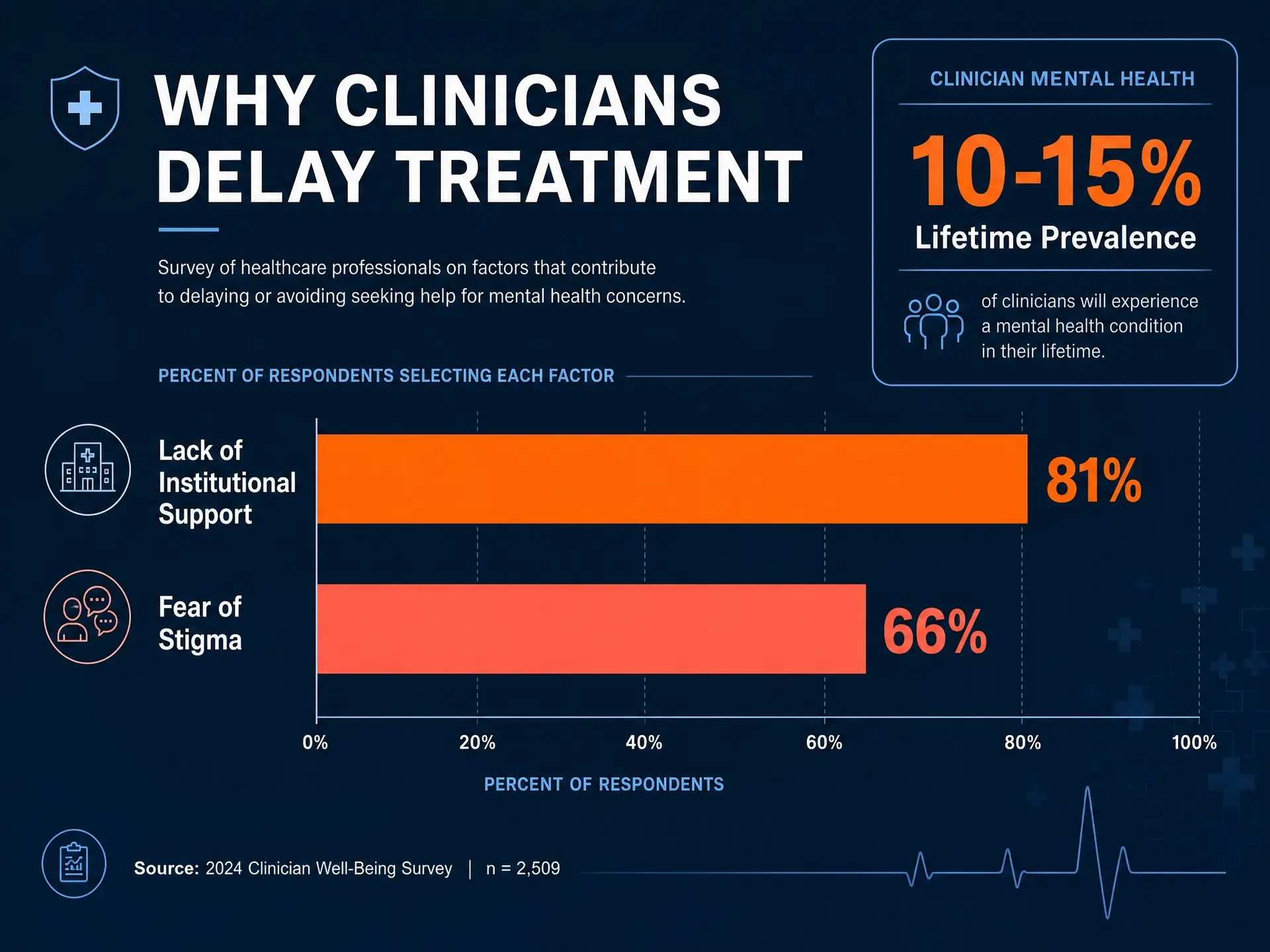
Access to medications is one factor that can complicate substance use among healthcare workers. Physicians, nurses, pharmacists, and other clinicians may work around controlled substances, understand their effects, and have demanding schedules that make rest and recovery difficult. However, professional knowledge does not eliminate the risk of developing a substance use disorder.
Workplace stress can add to that risk. Long shifts, staff shortages, traumatic patient experiences, and repeated exposure to illness or death may contribute to burnout, anxiety, depression, or unhealthy coping patterns.
Research from Hazelden Betty Ford has discussed substance misuse among healthcare professionals and the importance of effective treatment and monitoring. Although estimates vary by profession and study methodology, substance use disorders remain a concern across the healthcare workforce.
Fear can also delay treatment. Some clinicians worry about losing their jobs, facing disciplinary action, or damaging their reputations. Others are concerned that colleagues will discover their treatment or that seeking help could affect their licenses.
Recognizing warning signs early can help healthcare professionals seek an appropriate assessment. Potential signs include:
- Increasing reliance on alcohol or drugs to manage stress or sleep.
- Unexplained absences, mood changes, or difficulty concentrating.
- Changes in medication-handling practices or discrepancies involving controlled substances.
- Declining performance, documentation errors, or impaired professional judgment.
- Withdrawal from family, friends, or trusted colleagues.
- Defensiveness when others express concern about substance use.
These signs do not independently establish a substance use disorder. However, when several occur together, a confidential conversation with a qualified treatment provider can be a useful first step.
Rehab for Doctors: Treatment, Licensing, and Hospital Credentialing
Physicians may hesitate to seek treatment because they are concerned about medical licensing, hospital privileges, or professional reputation. Those concerns deserve careful attention, but they should not prevent someone from addressing a potentially serious health condition.
Rehab for doctors may include a comprehensive clinical evaluation, an individualized treatment plan, progress documentation, and discharge planning. Depending on the circumstances, physicians may also need to work with a physician health program or follow requirements established by a licensing board.
These processes serve different purposes. Treatment providers focus on clinical care and recovery, while monitoring programs may assess compliance with professional agreements and report information according to applicable rules and authorizations.
Research published in the Journal of Addiction Medicine and available through the National Institutes of Health has examined outcomes among healthcare professionals participating in treatment and monitoring programs. Such research suggests that structured treatment and follow-up can support recovery and continued employment. However, results from monitored cohorts should not be interpreted as guarantees for an individual physician.
Before entering a program, physicians should ask:
- What clinical assessments and treatment services are available?
- Can the provider supply appropriate treatment summaries and discharge documentation?
- Will the treatment team coordinate with a physician health program if requested and properly authorized?
- What information may be disclosed, and under what circumstances?
- What are the expected costs, insurance benefits, and possible out-of-pocket expenses?
Licensing decisions remain with the relevant authorities. A treatment center can help document participation and progress, but it cannot promise that a physician will retain a license or hospital privileges.
Rehab for Nurses: Self-Referral, Medication Diversion, and Returning to Practice

Nurses may face similar concerns, particularly when substance use involves medications available in clinical settings. Registered nurses, licensed practical nurses, and advanced practice nurses may have different professional obligations depending on their roles and licensing requirements.
Rehab for nurses can help address substance use while accounting for workplace pressures, mental health needs, and potential return-to-practice requirements.
Self-referral may allow a nurse to seek clinical guidance before concerns escalate. However, the consequences of reporting a problem or entering a monitoring program depend on the circumstances and applicable Indiana requirements. Nurses should avoid assuming that voluntary treatment automatically prevents an employer report or disciplinary action.
When medication diversion is suspected, the situation may involve additional workplace, regulatory, or legal obligations. Nurses should explain relevant circumstances to their treatment team so that appropriate clinical and professional guidance can be considered.
Returning to work may require a structured plan. Depending on the applicable agreement and the nurse’s circumstances, that plan could include supervised duties, restrictions on access to controlled substances, regular assessments, drug testing, or continued treatment.
A return-to-practice plan should be based on the nurse’s clinical progress and any applicable licensing or monitoring requirements. If a recurrence of substance use occurs, prompt clinical reassessment is important. It should be treated as a serious health concern requiring an appropriate response rather than as a reason to abandon recovery.
What Rehab for Medical Professionals Includes
Rehab for medical professionals should begin with an assessment rather than an assumption that every clinician needs the same type or duration of treatment.
The appropriate level of care depends on factors such as the substance involved, withdrawal risks, medical and psychiatric needs, previous treatment experiences, and the person’s home environment.
Treatment may involve the following stages.
1. Comprehensive assessment
An evaluation reviews substance use patterns, physical health, mental health, medications, and other factors that influence treatment recommendations. Professional responsibilities and existing monitoring agreements may also be relevant to planning.
2. Medically supervised detox when needed
Withdrawal from certain substances can involve significant medical risks. When indicated, medically supervised detox provides monitoring and appropriate support during withdrawal. Detox alone does not address every aspect of addiction, so continuing treatment may be recommended.
3. Residential or outpatient treatment
Residential treatment offers a structured setting for people who need more intensive support. Intensive outpatient programs and other outpatient services may be appropriate for individuals whose clinical needs, safety, and living circumstances support treatment outside a residential setting.
4. Evidence-based behavioral and mental health care
Therapy can help clinicians identify triggers, manage stress, develop healthier coping strategies, and address patterns associated with substance use. Cognitive behavioral therapy, relapse-prevention planning, and treatment for co-occurring conditions may form part of an individualized plan.
5. Documentation and continuing care
Discharge summaries, progress records, attendance documentation, and follow-up recommendations may be useful when a clinician has professional monitoring obligations. The information provided and any disclosures made must follow applicable privacy requirements, authorizations, and legal obligations.
The following table summarizes common levels of care.
| Level of care | Typical purpose | General structure |
|---|---|---|
| Medical detox | Manage withdrawal risks when medically indicated | Medical monitoring and supportive care |
| Residential treatment | Provide intensive, structured care | Clinical services in a residential setting |
| Partial hospitalization or intensive outpatient | Deliver substantial treatment without overnight residential care | Multiple treatment hours on scheduled days |
| Outpatient and continuing care | Support ongoing recovery and relapse prevention | Scheduled individual or group sessions and follow-up |
Not every treatment provider offers every level of care. Confirm which services are currently available at First City Recovery Center and whether its clinical team recommends them for your circumstances.
Mental health care is also important. Depression, anxiety, trauma, and occupational burnout can coexist with substance use disorders. Addressing these concerns alongside addiction treatment may help clinicians develop a more sustainable recovery plan.
Indiana Substance Abuse Treatment and Professional Monitoring Programs
Indiana substance abuse treatment for healthcare professionals may involve coordination between a treatment provider and the relevant professional monitoring or licensing program. The process differs by occupation and individual circumstances.
For example, nurses may need to explore applicable nurse assistance resources and requirements established by the Indiana Professional Licensing Agency. Physicians may have separate pathways involving physician health programs and medical licensing authorities. Pharmacists and other licensed professionals should confirm the requirements applicable to their professions.
Anyone considering treatment should verify current requirements directly with the relevant licensing authority or monitoring program. Rules, eligibility, reporting obligations, and return-to-practice conditions can change.
When appropriate, a treatment provider may help by:
- Conducting a clinical evaluation and recommending a suitable level of care.
- Maintaining treatment documentation and preparing relevant summaries.
- Coordinating with a monitoring program when the necessary authorization is in place.
- Developing continuing-care recommendations to support recovery.
- Helping the individual understand which treatment-related documents may be needed for professional review.
Treatment and monitoring are related but distinct. A monitoring agreement may impose requirements beyond those of the clinical treatment plan, and completing treatment does not automatically satisfy every professional obligation.
For individuals comparing options for substance abuse treatment in Indiana, it is important to ask prospective providers about their experience with healthcare professionals, available levels of care, documentation practices, and ability to coordinate with external programs when appropriate.
Confidentiality and Privacy During Treatment

Confidentiality is a significant concern for clinicians who work in the same hospitals or health systems where they might otherwise seek services. Some worry that colleagues, supervisors, or professional contacts will learn about their treatment.
Federal privacy protections may apply to substance use disorder treatment records, including HIPAA and, where applicable, the confidentiality requirements under 42 CFR Part 2. These rules have specific scopes and exceptions, so they should not be interpreted as an absolute guarantee that information can never be disclosed.
Before enrolling, ask the admissions team to explain:
- Which records are protected and who may access them.
- How written consent and information-release forms work.
- Whether and when information may be shared with an employer, licensing board, or monitoring program.
- What disclosures may be required by law or under a professional agreement.
- How insurance billing and related communications may affect privacy.
Clinicians should also consider whether their insurance plan sends explanations of benefits to another person or policyholder. Asking these questions before treatment begins can help clarify expectations.
A provider should explain its privacy policies in plain language and help patients understand the limits of confidentiality before they sign releases.
How to Prepare for Admission
Contacting a treatment provider can feel difficult, particularly for professionals accustomed to caring for others. Preparing a few details in advance can make the initial conversation more manageable.
Depending on the situation, it may help to gather:
- A current list of medications and relevant medical information.
- Insurance details and questions about costs.
- Relevant licensing-board correspondence or monitoring agreements.
- Existing treatment records or previous assessment results.
- Questions about available levels of care, confidentiality, and discharge planning.
You do not necessarily need to have every document ready before contacting admissions. A preliminary conversation can help you understand what information is needed and what steps to take next.
During the call, explain your concerns honestly, including any withdrawal symptoms, co-occurring mental health concerns, or immediate safety issues. A qualified provider can help determine whether a particular level of care is appropriate or whether another service is needed.
Find Rehab for Healthcare Professionals at First City Recovery Center
Healthcare professionals deserve access to treatment that takes their health, recovery goals, and professional concerns seriously. Whether you are a physician worried about licensing requirements, a nurse concerned about workplace consequences, or another medical professional struggling with alcohol or drug use, seeking help can be an important step toward stability.
The right treatment plan depends on your clinical needs, the support available to you, and any applicable professional requirements. Ask questions about assessments, levels of care, confidentiality, treatment documentation, and continuing support before making a decision.
Contact First City Recovery Center rehab for healthcare professionals and explore treatment options for your circumstances. The admissions team can help you understand available services, determine the next steps, and discuss how treatment planning may address your recovery needs alongside relevant professional considerations.
Recovery does not require you to solve every professional concern before asking for help. Starting the conversation can help you identify a practical path forward.
Frequently Asked Questions
1. What is rehab for healthcare professionals?
Rehab for healthcare professionals is addiction treatment designed to address the clinical and personal needs of doctors, nurses, pharmacists, and other medical staff. Depending on the provider and the individual’s assessment, treatment may include detox, residential care, outpatient therapy, relapse prevention, and documentation to support applicable professional monitoring requirements.
2. Can doctors and nurses keep their licenses while attending rehab?
Possibly. Seeking treatment does not automatically mean a healthcare professional will lose their license. However, licensing outcomes depend on the circumstances, applicable state regulations, reporting obligations, and any monitoring agreement. Doctors and nurses should confirm their specific requirements with the relevant licensing authority or professional monitoring program.
3. What is the difference between rehab for doctors and rehab for nurses?
Both may involve addiction assessment, evidence-based treatment, mental health support, and continuing care. However, rehab for doctors may need to account for physician health programs and medical board requirements, while rehab for nurses may involve nurse assistance programs, nursing board rules, and workplace restrictions. The appropriate approach depends on each person’s clinical needs and professional obligations.
4. Does insurance cover substance abuse treatment in Indiana?
Insurance may cover some substance use disorder services, including medically necessary detox, residential treatment, or outpatient care, depending on the plan, provider network, and coverage requirements. Some assessments or specialized services may involve additional costs. Contact your insurance company and the treatment provider